Pyridine → HCID 66603210, compound
Reaction equation

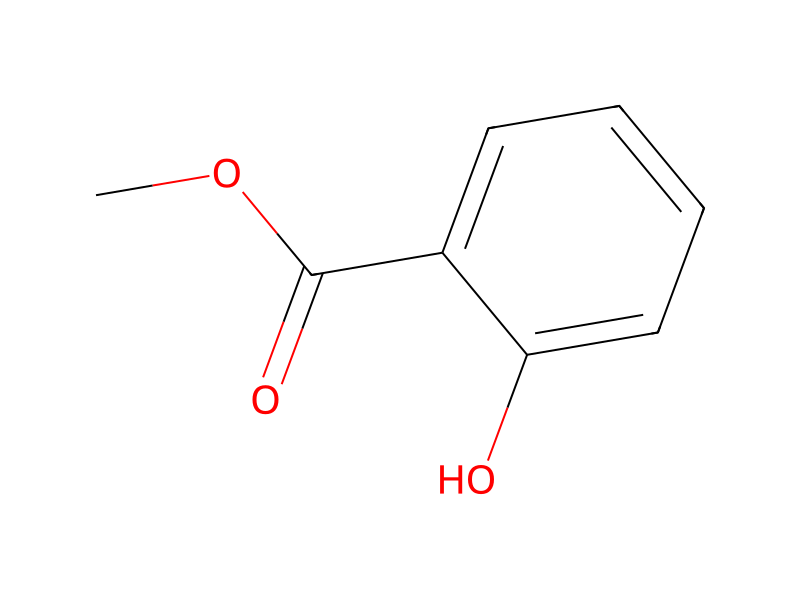
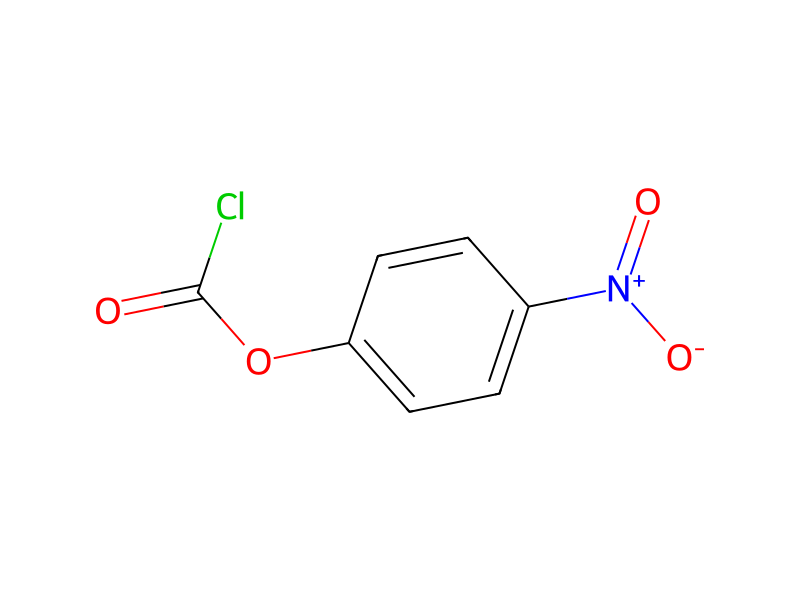
[C:1](Cl)(=[O:12])[O:2][C:3]1[CH:8]=[CH:7][C:6]([N+:9]([O-:11])=[O:10])=[CH:5][CH:4]=1.ClCCl.[C:17]([O:26][CH3:27])(=[O:25])[C:18]1[C:19](=[CH:21][CH:22]=[CH:23][CH:24]=1)[OH:20].N1C=CC=CC=1>C(OCC)(=O)C>[N+:9]([C:6]1[CH:7]=[CH:8][C:3]([O:2][C:1]([O:20][C:19]2[CH:21]=[CH:22][CH:23]=[CH:24][C:18]=2[C:17]([O:26][CH3:27])=[O:25])=[O:12])=[CH:4][CH:5]=1)([O-:11])=[O:10]Participants
6
Reactant 4


Product 1

Reagents, catalysts & solvents 1

Procedure
Under ice-cooling, 1.0 g of 4-nitrophenyl chlorocarbonate was added portionwise to a 10 ml dichloromethane mixture of 1.3 g methyl salicylate and 0.54 ml pyridine, and stirred at room temperature for 3Hours. The reaction solution was diluted with ethyl acetate and washed with saturated sodium bicarbonate aqueous solution and saturated brine in that order, and then the organic layer was dried with anhydrous magnesium sulfate. This was concentrated under a reduced pressure, and the thus obtained residue was mixed with hexane and ethyl acetate and subjected to decantation, thereby obtaining 1.9 g of methyl 2-{[(4-nitrophenoxy)carbonyl]oxy}benzoate as a white solid.
Workup
- temperatureUnder ice-cooling
- washwashed with saturated sodium bicarbonate aqueous solution and saturated brine in that order
- dry with materialthe organic layer was dried with anhydrous magnesium sulfate
- concentrationThis was concentrated under a reduced pressure
- additionthe thus obtained residue was mixed with hexane and ethyl acetate
Sources & evidence
- ORD record
- ord-a6c0dfa913fa4076b33dfe6e8c30a943
- Source dataset
- uspto-grants-2009_09
- Patent number
- US07585886B2
Reaction notes
Loading…