Catechol → 1,3 Bis(3,4 dihydroxyphenyl)adamantane
Reaction equation

[C:1]1([C:3](=[CH:5][CH:6]=[CH:7][CH:8]=1)[OH:4])[OH:2].[C:9]12(O)[CH2:18][CH:13]3[CH2:14][CH:15]([CH2:17][CH:11]([CH2:12]3)[CH:10]1O)[CH2:16]2.[OH2:21]>CS(O)(=O)=O>[OH:2][C:1]1[CH:8]=[C:7]([C:11]23[CH2:12][CH:13]4[CH2:14][CH:15]([CH2:16][C:9]([C:7]5[CH:6]=[CH:5][C:3]([OH:21])=[C:1]([OH:2])[CH:8]=5)([CH2:18]4)[CH2:10]2)[CH2:17]3)[CH:6]=[CH:5][C:3]=1[OH:4]Participants
5
Reactant 3



Product 1

Reagents, catalysts & solvents 1
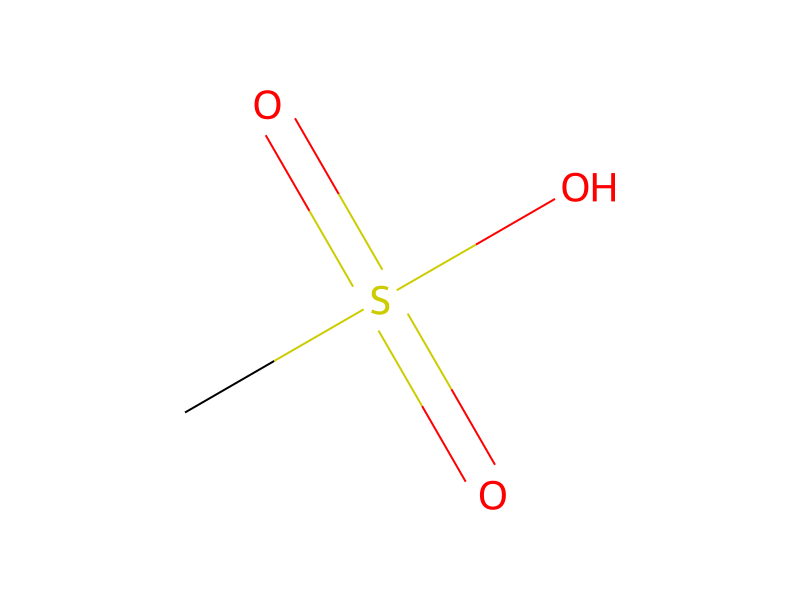
Conditions
- Temperature
- 80 °C
Procedure
According to the method described by Lu a solution of catechol (1.0 g) and adamantane diol (0.5 g) in methanesulfonic acid (2 ml) was heated to 80° C. for 3 hours, then left at room temperature overnight. Water was added and the mixture extracted into 10% methanol in chloroform which was dried and evaporated in vacuo to give a white solid. Purification by column chromatography over silica gel eluting with 0-20% methanol in chloroform gave the product as a white solid. Crystallisation from diethyl ether/40% petroleum ether then gave the pure product 10 as a white crystalline solid (210 mg, 20%).
Workup
- extractionthe mixture extracted into 10% methanol in chloroform which
- customwas dried
- customevaporated in vacuo
- customto give a white solid
- customPurification by column chromatography over silica gel eluting with 0-20% methanol in chloroform
Sources & evidence
- ORD record
- ord-01263a2ab3694a6083eb14209627ea14
- Source dataset
- uspto-grants-2014_09
- Patent number
- US08829198B2
Reaction notes
Loading…