tert-Butyl piperazine-1-carboxylate → 4-(3-Fluoro-4-trifluoromethyl-phenyl)-piperazine-1-carboxylic acid tert-butyl ester
Reaction equation

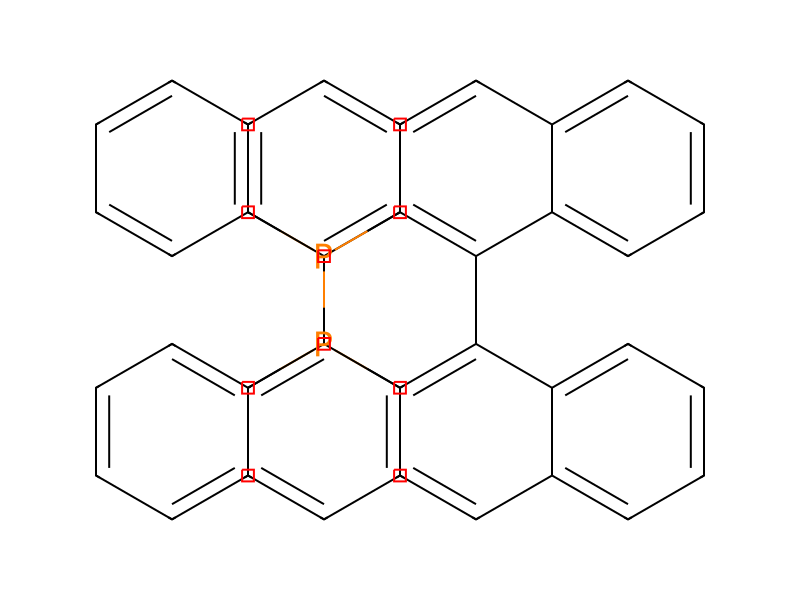
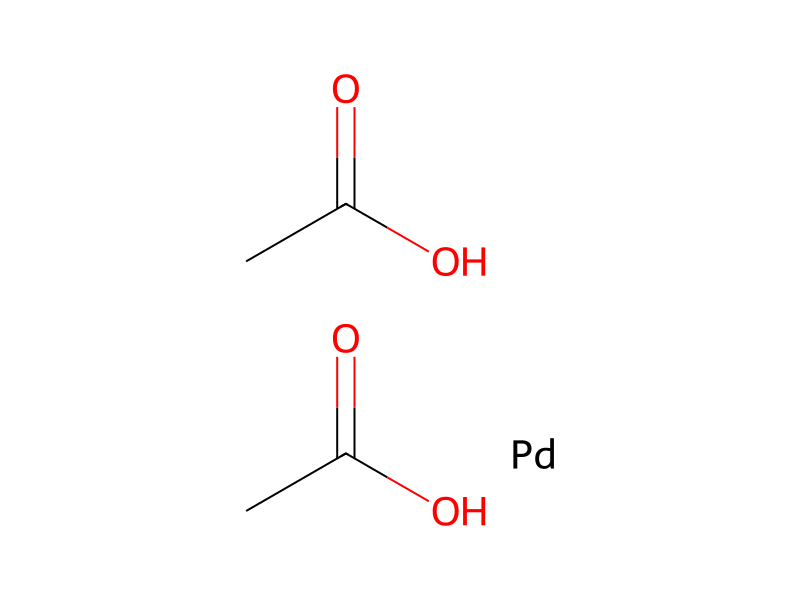
CC(C)(C)OC(=O)N1CCNCC1.Fc1cc(Br)ccc1C(F)(F)F>CC(=O)O.CC(=O)O.Cc1ccccc1.O=C([O-])[O-].[Cs+].[Cs+].[Pd].c1ccc(P(c2ccccc2)c2ccc3ccccc3c2-c2c(P(c3ccccc3)c3ccccc3)ccc3ccccc23)cc1>CC(C)(C)OC(=O)N1CCN(c2ccc(C(F)(F)F)c(F)c2)CC1Participants
Reactant 2


Product 1

Reagents, catalysts & solvents 4


Conditions
- Temperature
- 80 °C
Procedure
In a 50 mL round-bottomed flask, PALLADIUM ACETATE (0.014 g, 0.06 mmol) was treated with BINAP (0.077 g, 0.12 mmol) under nitrogen in degassed Toluene (12.35 ml). The reaction was heated to 80 °C and was stirred for 10 min. To the flask was then added tert-butyl piperazine-1-carboxylate (0.230 g, 1.23 mmol), cesium carbonate (0.201 g, 0.62 mmol), potassium carbonate (0.171 g, 1.23 mmol), and 18-CROWN-6 (0.033 g, 0.12 mmol). The reaction was then treated with 4-bromo-2-fluoro-1-(trifluoromethyl)benzene (0.300 g, 1.23 mmol) and was allowed to stir at 80°C 5 h. **LCMS High pH:** SM Amine Rt = 1.21 min Product Rt = 2.14 min, Rf = 0.28 The reaction mixture was filtered through celite and washed with small amounts of DCM. The filtrate was evaporated in vacuo to a residue that was taken up in a mixture of Heptane and EtOAc (4:1). The residue was purified by flash chromatography on silica gel, eluting with mixtures of EtOAc and heptane, to afford tert-butyl 4-(3-fluoro-4-(trifluoromethyl)phenyl)piperazine-1-carboxylate (0.258 g, 59.9 %) as a solid.
Sources & evidence
- ORD record
- ord-6fb2cc503861494889cc8f39d864a898
- Source dataset
- 750 AstraZeneca ELN dataset
- Original link
- View source
Reaction notes
Loading…