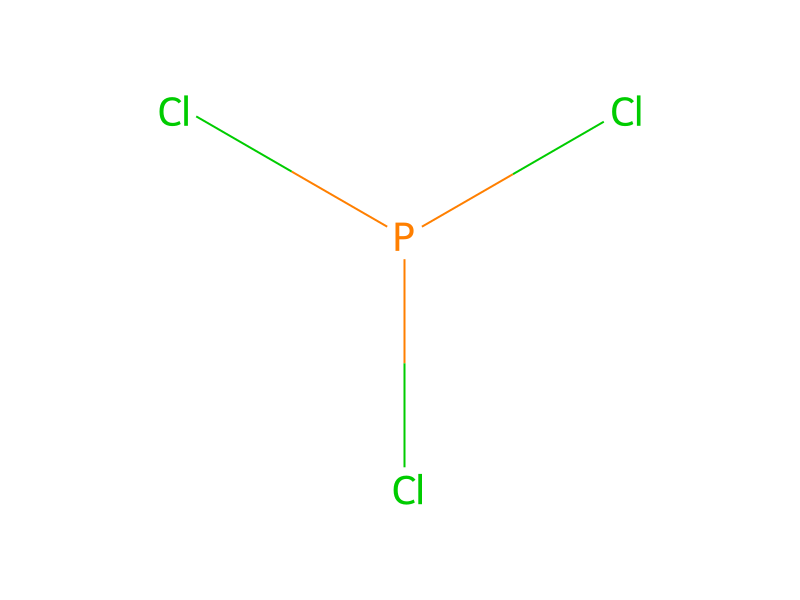
Phosphorus trichloride → HCID 19421143, compound
Reaction equation

[CH3:1][C:2]1([CH:19]=[CH:18][C:17]([CH3:20])=[CH:16][CH2:15]1)[C:3]([NH:5][NH:6][C:7](=[O:14])[C:8]1[CH:13]=[CH:12][CH:11]=[CH:10][CH:9]=1)=O.P(Cl)(Cl)Cl>>[CH3:1][C:2]1([C:3]2[O:14][C:7]([C:8]3[CH:13]=[CH:12][CH:11]=[CH:10][CH:9]=3)=[N:6][N:5]=2)[CH:19]=[CH:18][C:17]([CH3:20])=[CH:16][CH2:15]1Participants
3


Procedure
Scheme III shows the reaction of 2,5-dimethylbenzoic acid chloride with benzoic hydrazide in the presence of triethylamine to give 1-(1,4-dimethylbenzoyl)-2-benzoylhydrazine. The resultant 1-(1,4-dimethylbenzoyl)-2-benzoylhydrazine is then allowed to cyclize in the presence of phosphorus chloride to give 2-(1,4-dimethylphenyl)-5-phenyl-1,3,4-oxadiazole, that then undergoes direct bromination or oxidation, as described above, to produce bis(bromomethyl) and bis(chloromethyl) monomers.
Sources & evidence
- ORD record
- ord-268e921c92a941c5b5d72622c81f0d14
- Source dataset
- uspto-grants-1996_09
- Patent number
- US05558904
Reaction notes
Loading…