Glycolic Acid → Formate
Reaction equation

[C:1]([OH:5])(=[O:4])[CH2:2][OH:3].NCP(=O)(OCC)[O:9]CC.[C:16]([OH:21])(=[O:20])C(C)C.[C:22]([O-:26])(=[O:25])[CH2:23][OH:24]>>[C:1]([O-:5])(=[O:4])[CH:2]=[O:3].[CH:16]([O-:21])=[O:20].[C:23]([O-:9])(=[O:24])[C:22]([O-:26])=[O:25]Participants
7
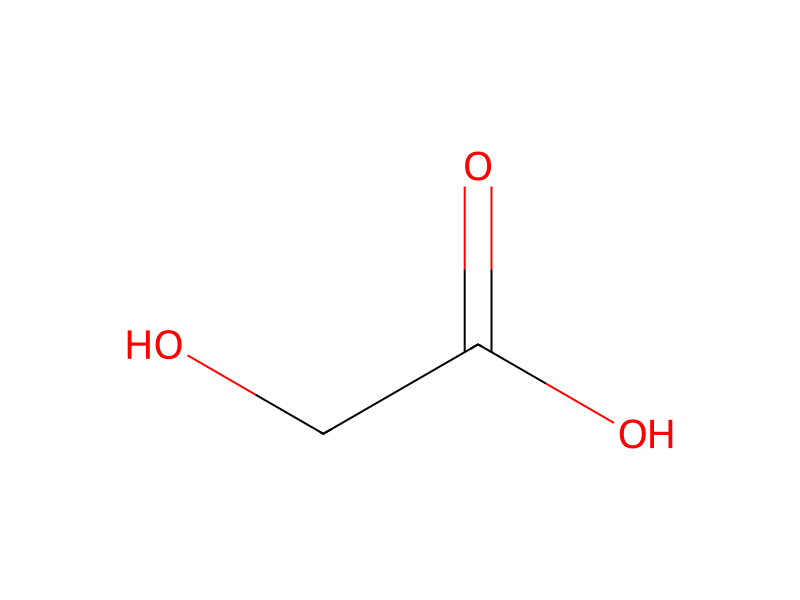
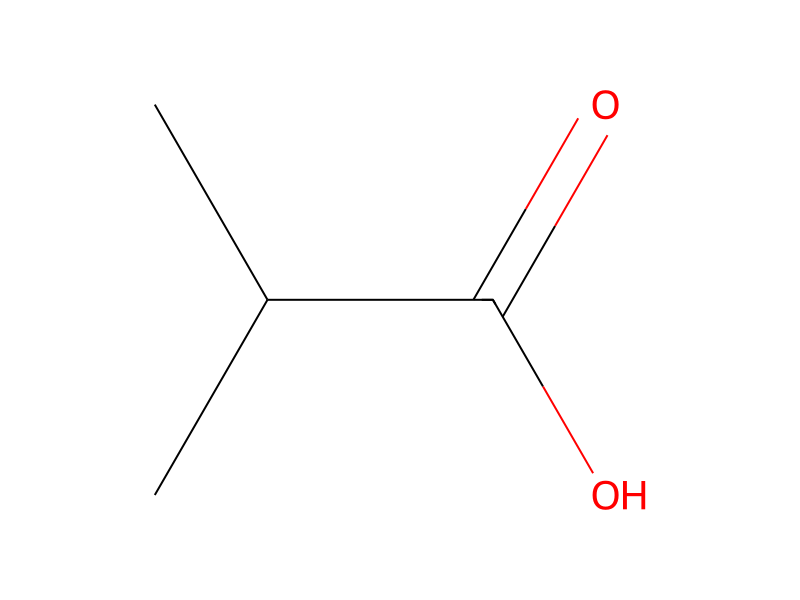


Procedure
The procedure described in Example 1 was repeated using an aqueous solution containing glycolic acid (0.500M), diethyl aminomethylphosphonate (DEAMPA, 0.398M), FMN (0.01 mM), isobutyric acid (HPLC internal standard, 0.10M), spinach glycolate oxidase (1.0 IU/mL), and soluble Aspergillus niger catalase (14,000 IU/mL) at pH 8.3 and at 5° C. After 20 h, the HPLC yields of glyoxylate, formate, and oxalate were 97.4%, 0.8%, and 1.8%, respectively, and no glycolate remained. The remaining activities of glycolate oxidase and catalase were 10% and 95%, respectively, of their initial values.
Workup
- customat 5° C
Sources & evidence
- ORD record
- ord-f5f54ace08a747d5a66c0cb19b375879
- Source dataset
- uspto-grants-1996_09
- Patent number
- US05559020
Reaction notes
Loading…