Potassium Carbonate → 1-Methacryloylindoline-2-carboxylic acid ethyl ester
Reaction equation

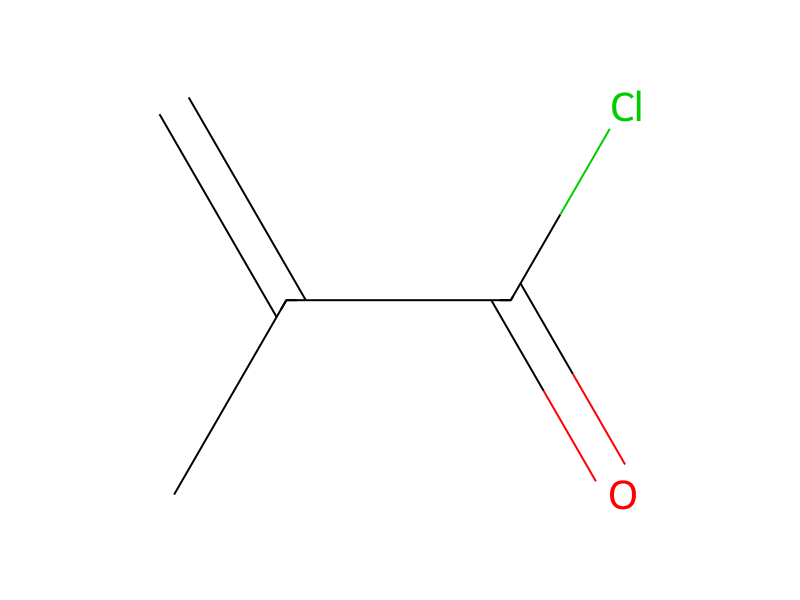
[CH2:1]([O:3][C:4]([CH:6]1[CH2:14][C:13]2[C:8](=[CH:9][CH:10]=[CH:11][CH:12]=2)[NH:7]1)=[O:5])[CH3:2].C(=O)([O-])[O-].[K+].[K+].[C:21](Cl)(=[O:25])[C:22]([CH3:24])=[CH2:23]>C(Cl)Cl>[CH2:1]([O:3][C:4]([CH:6]1[CH2:14][C:13]2[C:8](=[CH:9][CH:10]=[CH:11][CH:12]=2)[N:7]1[C:21](=[O:25])[C:22]([CH3:24])=[CH2:23])=[O:5])[CH3:2]Participants
5
Reactant 3


Product 1

Reagents, catalysts & solvents 1

Procedure
The starting material is prepared as follows: To the mixture of 3.0 g of indoline-2-carboxylic acid ethyl ester, 4.3 g of powdered potassium carbonate and 30 ml of methylene chloride is added 1.64 g of methacryloyl chloride in 5 ml of methylene chloride during 1 minute. After stirring at room temperature for 3 hours the mixture is partitioned between 50 ml of water and 100 ml of diethyl ether. The organic layer is washed with 30 ml of 1N hydrochloric acid and 25 ml of saturated sodium chloride, dried and evaporated, to yield the 1-methacryloylindoline-2-carboxylic acid ethyl ester as an oil.
Workup
- customThe starting material is prepared
- customis partitioned between 50 ml of water and 100 ml of diethyl ether
- washThe organic layer is washed with 30 ml of 1N hydrochloric acid and 25 ml of saturated sodium chloride
- customdried
- customevaporated
Sources & evidence
- ORD record
- ord-d26919af8b764bb38c5de7eb5423c9c8
- Source dataset
- uspto-grants-1986_07
- Patent number
- US04599357
Reaction notes
Loading…