Calcium Acetate → Acrylamide
Reaction equation

C([O-])(=[O:3])C.[Ca+2].C([O-])(=[O:8])C.[C:10](#[N:13])[CH:11]=[CH2:12].[C:14](#[N:18])[C:15]([CH3:17])=[CH2:16].[OH:19][CH:20]([CH2:24][CH3:25])[CH2:21][C:22]#[N:23]>O>[C:10]([NH2:13])(=[O:3])[CH:11]=[CH2:12].[C:14]([NH2:18])(=[O:8])[C:15]([CH3:17])=[CH2:16].[OH:19][CH:20]([CH2:24][CH3:25])[CH2:21][C:22]([NH2:23])=[O:3]Participants
Reactant 4
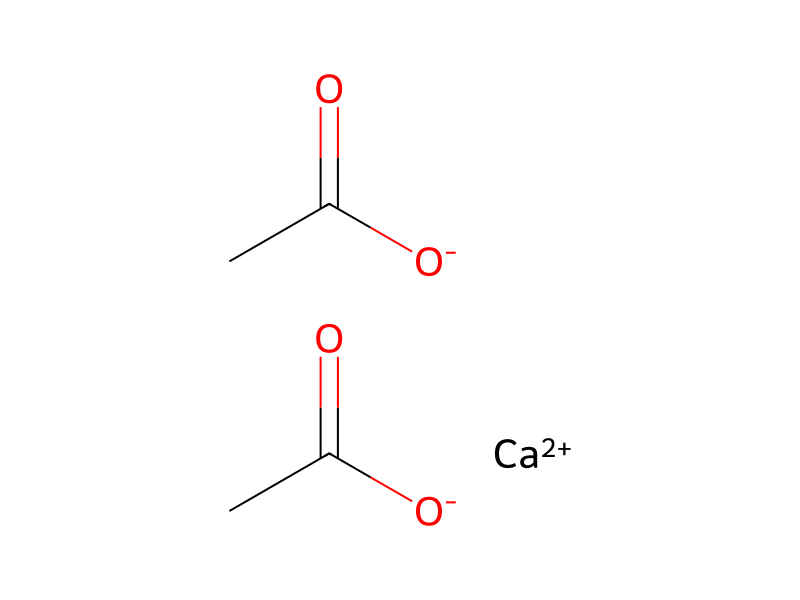


Product 3


Reagents, catalysts & solvents 1

Procedure
At the completion of the reaction (100% conversion of nitrile), the product mixture was decanted from the biocatalyst beads, and additional distilled, deionized water, 0.2 mL of 0.20 M calcium acetate buffer (pH 7.0, 2.0 mM final calcium ion concentration in reaction mixture) and 10, 20, 40 or 60 mmol of acrylonitrile, methacrylonitrile, or 3-hydroxy-valeronitrile mixed with the reaction heel (immobilized-cell catalyst and remaining product mixture from the first reaction) at 25° C. or 35° C. At the completion of the second reaction, the product mixture was decanted and a third reaction performed as before. The reaction time, product yield for acrylamide, methacrylamide, or 3-hydroxyvaleramide, and the percent recovered biocatalyst activity for each recycle reaction is listed in Table 11 below.
Workup
- customthe product mixture was decanted from the biocatalyst beads, and additional distilled
- additionmixed with the reaction heel (immobilized-cell catalyst
- customfrom the first reaction) at 25° C.
- custom35° C
- customAt the completion of the second reaction
- customthe product mixture was decanted
- customa third reaction
Sources & evidence
- ORD record
- ord-4d1d394c094b4ffdabf4d26c1dfe7bf0
- Source dataset
- uspto-grants-2008_07
- Patent number
- US07405064B2
Reaction notes
Loading…