Hydrochloric Acid → 1,4-Bis-dimethylamino-4-phenylcyclohexane carbonitrile
Reaction equation

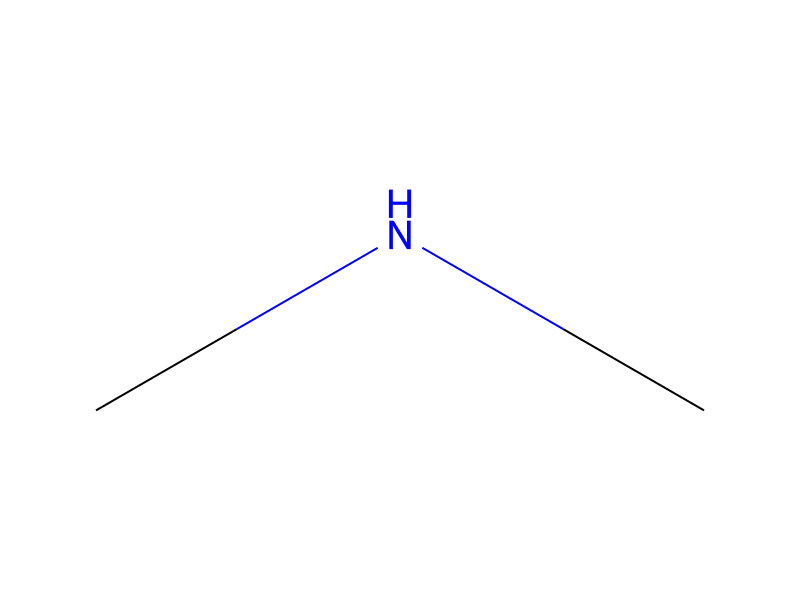
[CH3:1][NH:2][CH3:3].[CH3:4][N:5]([CH3:19])[C:6]1([C:13]2[CH:18]=[CH:17][CH:16]=[CH:15][CH:14]=2)[CH2:11][CH2:10][C:9](=O)[CH2:8][CH2:7]1.[C-:20]#[N:21].[K+].Cl>O.CO>[CH3:1][N:2]([CH3:3])[C:9]1([C:20]#[N:21])[CH2:10][CH2:11][C:6]([N:5]([CH3:19])[CH3:4])([C:13]2[CH:18]=[CH:17][CH:16]=[CH:15][CH:14]=2)[CH2:7][CH2:8]1Participants
7





Procedure
40% aqueous dimethylamine solution (14 mL, 110.5 mmol), 4-dimethylamino-4-phenylcyclohexanone (5.00 g, 23.04 mmol) and potassium cyanide (3.60 g, 55.3 mmol) were added to a mixture of 4N hydrochloric acid (14 mL) and methanol (5 mL) with ice cooling. The mixture was stirred for 2 d at room temperature and then after adding water (200 mL) was extracted with ether (4×150 mL). After the solution was concentrated to low volume, the residue was taken up in dichloromethane (200 mL) and dried with magnesium sulphate overnight, filtered and the solvent removed in a vacuum. The nitrile was obtained as an oil which was crystallised through.
Workup
- extractionwas extracted with ether (4×150 mL)
- concentrationAfter the solution was concentrated to low volume
- dry with materialdried with magnesium sulphate overnight
- filtrationfiltered
- customthe solvent removed in a vacuum
Sources & evidence
- ORD record
- ord-1d6c203f17674e049121671e6aedd792
- Source dataset
- uspto-grants-2014_09
- Patent number
- US08835689B2
Reaction notes
Loading…