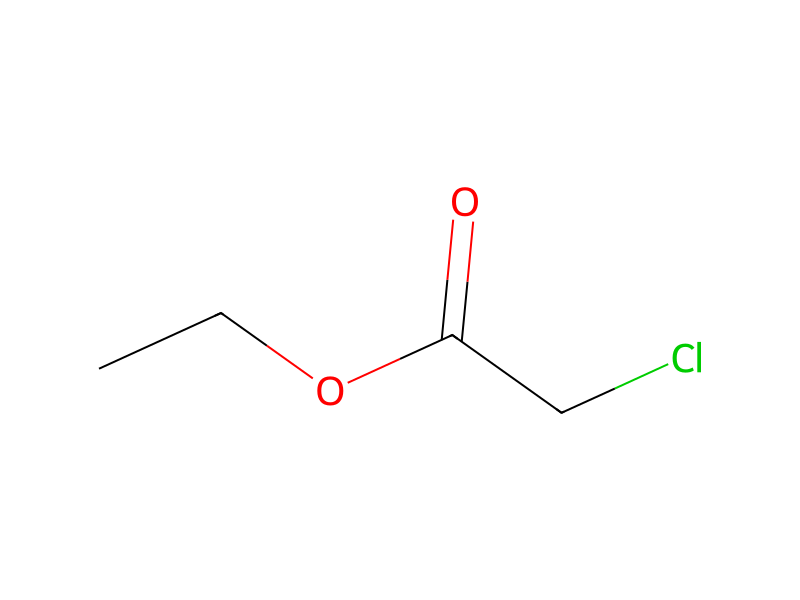
Ethyl chloroacetate → ethyl 2-(3-bromo-4-nitro-1H-indazol-1-yl)acetate
Reaction equation

[Br:1][C:2]1[C:10]2[C:5](=[CH:6][CH:7]=[CH:8][C:9]=2[N+:11]([O-:13])=[O:12])[NH:4][N:3]=1.C(=O)([O-])[O-].[K+].[K+].Cl[CH2:21][C:22]([O:24][CH2:25][CH3:26])=[O:23]>CN(C=O)C.O>[Br:1][C:2]1[C:10]2[C:5](=[CH:6][CH:7]=[CH:8][C:9]=2[N+:11]([O-:13])=[O:12])[N:4]([CH2:21][C:22]([O:24][CH2:25][CH3:26])=[O:23])[N:3]=1Participants
6





Procedure
A solution of 3-bromo-4-nitro-1H-indazole (Preparation B; 1.00 g, 4.13 mmol) in anhydrous DMF (20 mL) was treated at ambient temperature with potassium carbonate (2.28 g, 16.5 mmol). The reaction mixture was stirred at ambient temperature for 10 minutes and ethyl 2-chloroacetate (0.53 g, 4.34 mmol) was added dropwise. Stirring was continued under nitrogen for 16 hours. The reaction mixture was diluted with excess water and extracted multiple times with DCM and EtOAc. The combined extracts were dried over anhydrous sodium sulfate and concentrated under reduced pressure to afford the product (1.21 g) as a brown solid.
Workup
- stirringStirring
- waitwas continued under nitrogen for 16 hours
- extractionextracted multiple times with DCM and EtOAc
- dry with materialThe combined extracts were dried over anhydrous sodium sulfate
- concentrationconcentrated under reduced pressure
Sources & evidence
- ORD record
- ord-1affbb0fe1b444fab4adfa74291fec79
- Source dataset
- uspto-grants-2014_09
- Patent number
- US08841455B2
Reaction notes
Loading…