Ethyl Acetate → 3-Bromo-1H-indole-4-carbonitrile
Reaction equation

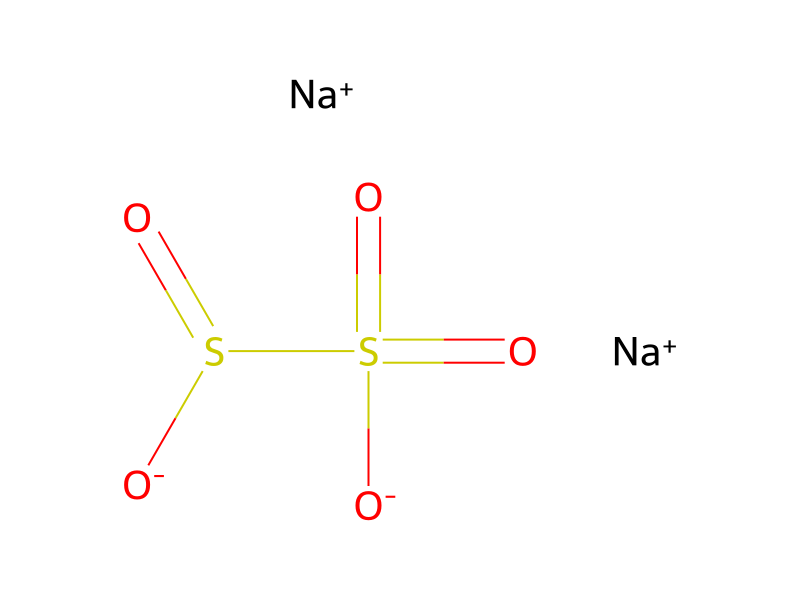
[Br:1]Br.[NH:3]1[C:11]2[CH:10]=[CH:9][CH:8]=[C:7]([C:12]#[N:13])[C:6]=2[CH:5]=[CH:4]1.C(OC(=O)C)C.S(S([O-])=O)([O-])(=O)=O.[Na+].[Na+]>CN(C=O)C.CCCCCC>[Br:1][C:5]1[C:6]2[C:7]([C:12]#[N:13])=[CH:8][CH:9]=[CH:10][C:11]=2[NH:3][CH:4]=1Participants
7






Procedure
Bromine in DMF (0.796 g, 4.975 mmol) was added to a stirred solution of 1H-indole-4-carbonitrile (700 mg, 4.9295 mmol) in DMF (15 mL) at room temperature. The resulting mixture was stirred at room temperature for 2 hours. The reaction was monitored by TLC (10% ethylacetate in hexane). The reaction mixture was poured into ice water containing 0.5% ammonia and 0.5% sodium metabisulphite. The precipitate was collected, washed with cold water and dried to afford 850 mg of 3-Bromo-1H-indole-4-carbonitrile (78.41% yield).
Workup
- customThe precipitate was collected
- washwashed with cold water
- customdried
Sources & evidence
- ORD record
- ord-960275e7b31c4f1586aa012566cabc4e
- Source dataset
- uspto-grants-2014_09
- Patent number
- USRE045173E1
Reaction notes
Loading…