Diisopropyl Ether → N-[6-(5-Methyl-3-phenyl-isoxazol-4-ylmethoxy)-pyridin-3-yl]-isobutyramide
Reaction equation

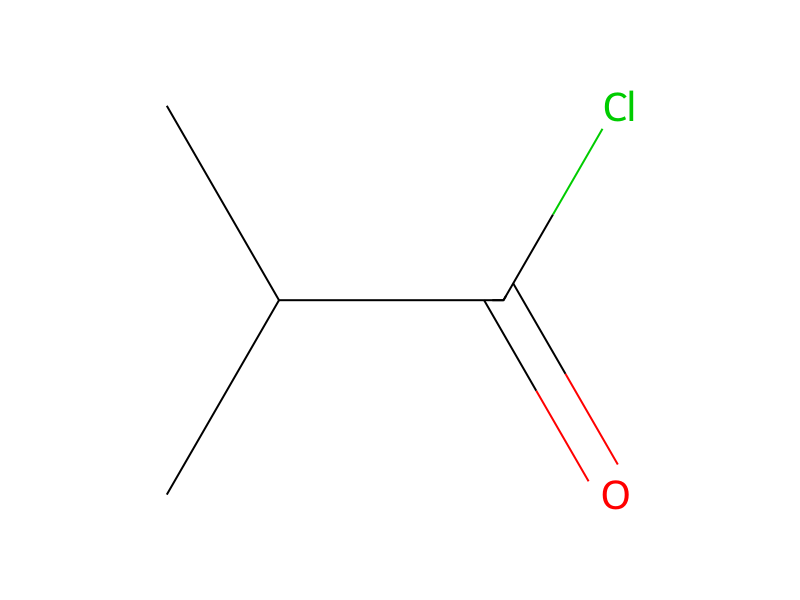
[CH3:1][C:2]1[O:6][N:5]=[C:4]([C:7]2[CH:12]=[CH:11][CH:10]=[CH:9][CH:8]=2)[C:3]=1[CH2:13][O:14][C:15]1[N:20]=[CH:19][C:18]([NH2:21])=[CH:17][CH:16]=1.[C:22](Cl)(=[O:26])[CH:23]([CH3:25])[CH3:24].C(OC(C)C)(C)C>>[CH3:1][C:2]1[O:6][N:5]=[C:4]([C:7]2[CH:12]=[CH:11][CH:10]=[CH:9][CH:8]=2)[C:3]=1[CH2:13][O:14][C:15]1[N:20]=[CH:19][C:18]([NH:21][C:22](=[O:26])[CH:23]([CH3:25])[CH3:24])=[CH:17][CH:16]=1Participants
4



Procedure
As described for example 179b, 6-(5-methyl-3-phenyl-isoxazol-4-ylmethoxy)-pyridin-3-ylamine (150 mg, 0.53 mmol) was converted, using isobutyrylchloride instead of acetyl chloride, to the title compound (170 mg, 91%) which was obtained as a white solid after trituration with diisopropylether. MS: m/e=352.0 [M+H]+.
Sources & evidence
- ORD record
- ord-ac7d4d6fbce04bf0b9528a83fb8f37c7
- Source dataset
- uspto-grants-2014_09
- Patent number
- US08846719B2
Reaction notes
Loading…