Hydrazine hydrate (1:1) → 5-amino-1(2H)-phthalazinone
Reaction equation

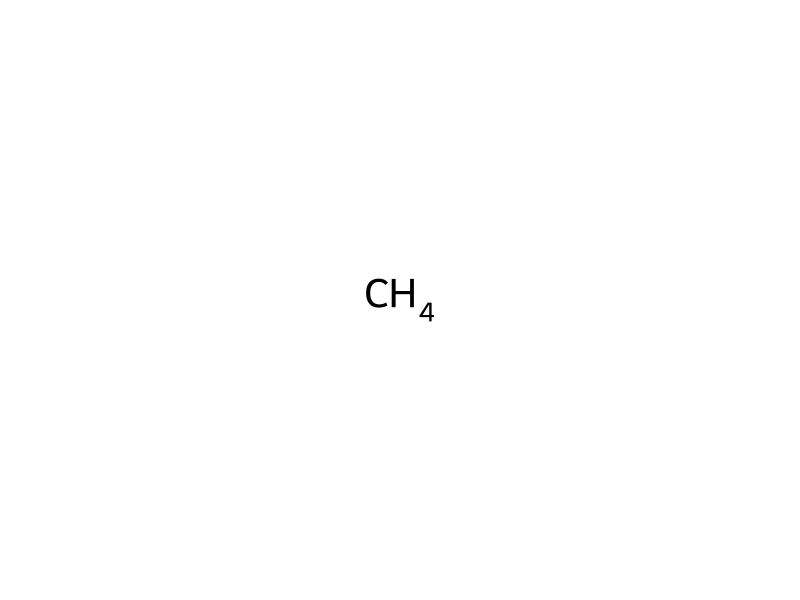
O[CH:2]1[C:11]2[C:6](=[CH:7][CH:8]=[CH:9][C:10]=2[N+:12]([O-])=O)[C:4](=O)[O:3]1.O.[NH2:16][NH2:17]>C(O)C.[Pd]>[CH4:2].[NH2:12][C:10]1[CH:9]=[CH:8][CH:7]=[C:6]2[C:11]=1[CH:2]=[N:16][NH:17][C:4]2=[O:3]Participants
Reactant 2


Product 2

Reagents, catalysts & solvents 2


Procedure
A stirred solution of 3-hydroxy-4-nitrophthalide (43.4 g, 0.22 mole) and hydrazine hydrate (11.6 ml) in ethanol (1830 ml) was heated under reflux for 1 hour. The heating was discontinued and palladium on carbon (10%, 2.44 g) was added (with caution) over 15 minutes. A solution of hydrazine hydrate (24.2 ml) in ethanol (304 ml) was then added, dropwise, over 30 minutes and the mixture was heated under reflux for a further 2.5 hours. Filtration of the hot reaction mixture followed by the addition of a saturated solution of hydrogen chloride in ethanol (80 ml) to the filtrate gave a solid precipitate which was collected and washed with ethanol and ether. Evaporation of the filtrate gave a solid residue which was washed several times with boiling ethanol. The combined solids were recrystallised from water, after charcoal treatment, to give 5-amino-1(2H)-phthalazinone (12.7 g, 35%, m.p. 289°-291°).
Workup
- temperatureunder reflux for 1 hour
- temperaturethe mixture was heated
- temperatureunder reflux for a further 2.5 hours
- filtrationFiltration of the hot reaction mixture
- additionfollowed by the addition of a saturated solution of hydrogen chloride in ethanol (80 ml) to the filtrate
- customgave a solid precipitate which
- customwas collected
- washwashed with ethanol and ether
- customEvaporation of the filtrate
- customgave a solid residue which
- washwas washed several times with boiling ethanol
- customThe combined solids were recrystallised from water
Sources & evidence
- ORD record
- ord-d33471de1fad43308040f87c3169361c
- Source dataset
- uspto-grants-1978_06
- Patent number
- US04093725
Reaction notes
Loading…