Hydrochloric Acid → HCID 22618191, compound
Reaction equation

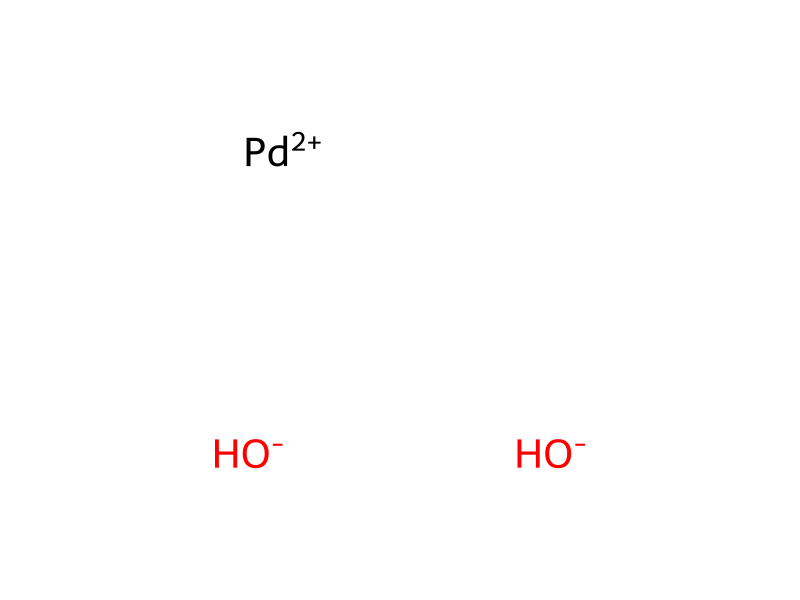
[C:1]1([C:7]2[N:16]=[CH:15][CH:14]=[CH:13][C:8]=2[C:9]([O:11][CH3:12])=[O:10])[CH:6]=[CH:5][CH:4]=[CH:3][CH:2]=1.Cl>[Pd].CO.[OH-].[OH-].[Pd+2]>[C:1]1([CH:7]2[CH:8]([C:9]([O:11][CH3:12])=[O:10])[CH2:13][CH2:14][CH2:15][NH:16]2)[CH:2]=[CH:3][CH:4]=[CH:5][CH:6]=1Participants
Reactant 2


Product 1

Reagents, catalysts & solvents 3


Procedure
A mixture of methyl 2-phenylnicotinate (9.43 g, 44.3 mmol) and palladium on carbon (10%; 2.5 g) in methanol (150 ml) containing hydrochloric acid (5M, 25 ml) was shaken for 72 hours under an atmosphere of hydrogen at 50 psi. Palladium hydroxide on carbon (20%; 1.0 g) was then added and hydrogenation resumed for a further 24 hours. A further portion of palladium hydroxide on carbon (1.0 g) was added, and hydrogenation continued for 24 hours more, until thin layer chromatography indicated no more starting material to be present. The suspension was filtered and evaporated to dryness, leaving the desired product as the hydrochloride salt. A small portion of this was basified with sodium carbonate to liberate the free base, isolated as a colourless oil. 1H NMR (360 MHz, CDCl3) δ 1.47-1.53 (1H, m), 1.78-1.90 (2H, m), 1.91-1.99 (1H, m), 2.81 (1H, dt, J 12.4, 2.9 Hz), 2.96-2.99 (1H, m), 3.31-3.36 (1H, m) 3.43 (3H, s), 3.95 (1H, d, J 3.4 Hz), 7.18-7.32 (5H, m).
Workup
- waithydrogenation resumed for a further 24 hours
- waithydrogenation continued for 24 hours
- filtrationThe suspension was filtered
- customevaporated to dryness
Sources & evidence
- ORD record
- ord-32c71be62dd745d2879d57cef84fa005
- Source dataset
- uspto-grants-2002_04
- Patent number
- US06372754B1
Reaction notes
Loading…