Nitrogen → 4-Fluoro-1-naphthaleneboronic Acid (contains varying amounts of Anhydride)
Reaction equation

N#N.Br[C:4]1[C:13]2[C:8](=[CH:9][CH:10]=[CH:11][CH:12]=2)[C:7]([F:14])=[CH:6][CH:5]=1.C([Li])CCC.[B:20](OCC)([O:24]CC)[O:21]CC>CCCCCC.O1CCCC1>[F:14][C:7]1[C:8]2[C:13](=[CH:12][CH:11]=[CH:10][CH:9]=2)[C:4]([B:20]([OH:24])[OH:21])=[CH:5][CH:6]=1Participants
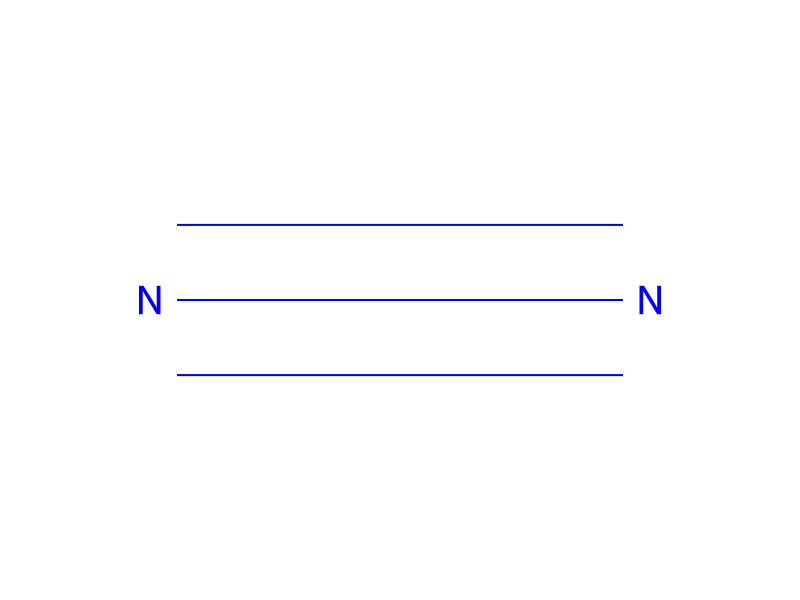






Conditions
- Temperature
- -70 °C
Procedure
To a 250 mL three-necked round-bottomed flask equipped with septum and N2 (nitrogen) inlet were added 4.62 g (20.53 mmol) 4-bromo-1-fluoronaphthalene and 100 mL dry tetrahydrofuran. The solution was cooled to −70° C., and 15.4 mL (24.64 mmol) of a 1.6 M solution of butyl lithium in hexane was added dropwise over 5 min. The reaction was stirred at −70° C. for 10 min, then 4.2 mL (3.59 g, 24.64 mmol) triethyl borate was added, and the reaction stirred at −70° C. for 20 min and warmed to room temperature. After stirring overnight at room temperature, the reaction was quenched with saturated aqueous ammonium chloride solution, acidified with 1 N hydrochloric acid, and extracted into ethyl acetate (twice). The combined organic layer was washed with brine, dried over sodium sulfate, and evaporated. The residue was triturated with hexane to give an off-white powder, 1.97 g (51%), as a mixture of monoaryl and diaryl boronic acids. 1H-NMR (δ, CDCl3): 7.2-7.4 (m, 1H), 7.5-7.7 (m, 3H), 8.0-8.5 (m, 1H), 8.5 and 9.2 (m, 1H); APCI (−) (%): 189 (parent−1, 60).
Workup
- stirringthe reaction stirred at −70° C. for 20 min
- temperaturewarmed to room temperature
- stirringAfter stirring overnight at room temperature
- customthe reaction was quenched with saturated aqueous ammonium chloride solution
- extractionextracted into ethyl acetate (twice)
- washThe combined organic layer was washed with brine
- dry with materialdried over sodium sulfate
- customevaporated
- customThe residue was triturated with hexane
- customto give an off-white powder, 1.97 g (51%)
Sources & evidence
- ORD record
- ord-61c0b2fc45a44e5bb1834ac1559e11b8
- Source dataset
- uspto-grants-2002_04
- Patent number
- US06372768B1
Reaction notes
Loading…