Hydrogen Peroxide → HCID 9944208, compound
Reaction equation

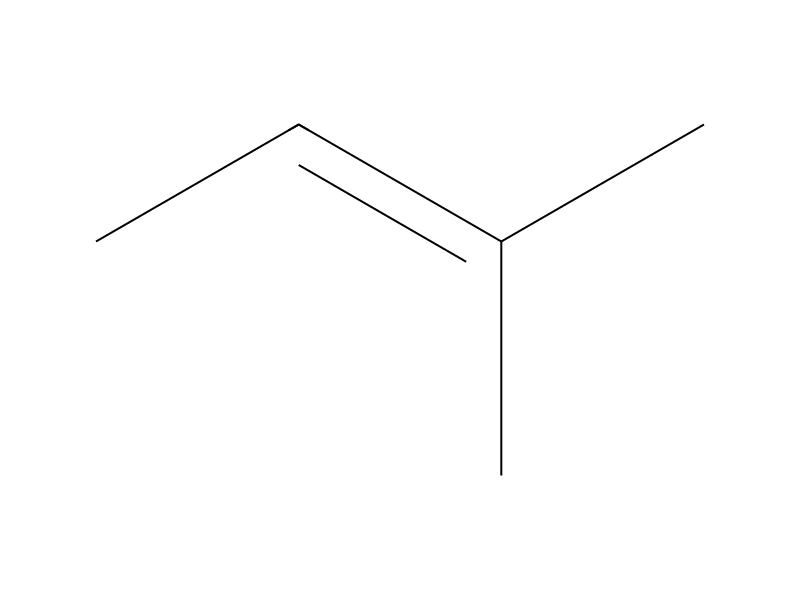
[Cl:1][C:2]1[CH:21]=[CH:20][CH:19]=[CH:18][C:3]=1[CH2:4][C:5]1[O:6][C:7]2[C:13]([CH2:14][CH:15]=[CH2:16])=[CH:12][C:11](Cl)=[CH:10][C:8]=2[N:9]=1.C(BCCC(C)C)CC(C)C.CC(=CC)C.[OH-:38].[Na+].OO>C1COCC1>[Cl:1][C:2]1[CH:21]=[CH:20][CH:19]=[CH:18][C:3]=1[CH2:4][C:5]1[O:6][C:7]2[C:13]([CH2:14][CH2:15][CH2:16][OH:38])=[CH:12][CH:11]=[CH:10][C:8]=2[N:9]=1Participants





Conditions
- Temperature
- -20 °C
Procedure
A solution of 2-(2-chlorobenzyl)-5-chloro-7-allylbenzoxazole (5.0 g, 0.018 mole) in THF was added to a solution of di-iso-amylborane prepared from borane-THF complex (1.60g, 0.018 mol) and 2-methyl-2-butene (2.80 g, 0.04 mol) in THF. The reaction mixture was stirred overnight and cooled to −20° C. then treated with 3 N sodium hydroxide (6.5 ml) and 30% hydrogen peroxide (6.5 ml). The reaction mixture was allowed to warm to room temperature and stirred for 4 hours. The product was isolated by partitioning between dichloromethane and water. Flash chromatography over flash chromatographic silica gel with dichloromethane afforded nearly pure title compound which was recrystallized from ether-hexane to give 290 mg of pure title compound, mp 66-68° C.
Workup
- temperatureto warm to room temperature
- stirringstirred for 4 hours
- customThe product was isolated
- customby partitioning between dichloromethane and water
Sources & evidence
- ORD record
- ord-792c905feb974ad48a30890576cb0932
- Source dataset
- uspto-grants-2002_04
- Patent number
- US06372770B1
Reaction notes
Loading…