Pyridine → HCID 131723192, compound
Reaction equation

[CH3:1][C:2]1([CH3:9])[CH2:7][CH2:6][CH2:5][CH:4]([OH:8])[CH2:3]1.Cl[C:11]([O:13][C:14]1[CH:19]=[CH:18][C:17]([N+:20]([O-:22])=[O:21])=[CH:16][CH:15]=1)=[O:12].N1C=CC=CC=1>>[CH3:1][C:2]1([CH3:9])[CH2:7][CH2:6][CH2:5][CH2:4][CH2:3]1.[N+:20]([C:17]1[CH:18]=[CH:19][C:14]([O:13][C:11](=[O:8])[O-:12])=[CH:15][CH:16]=1)([O-:22])=[O:21]Participants
4


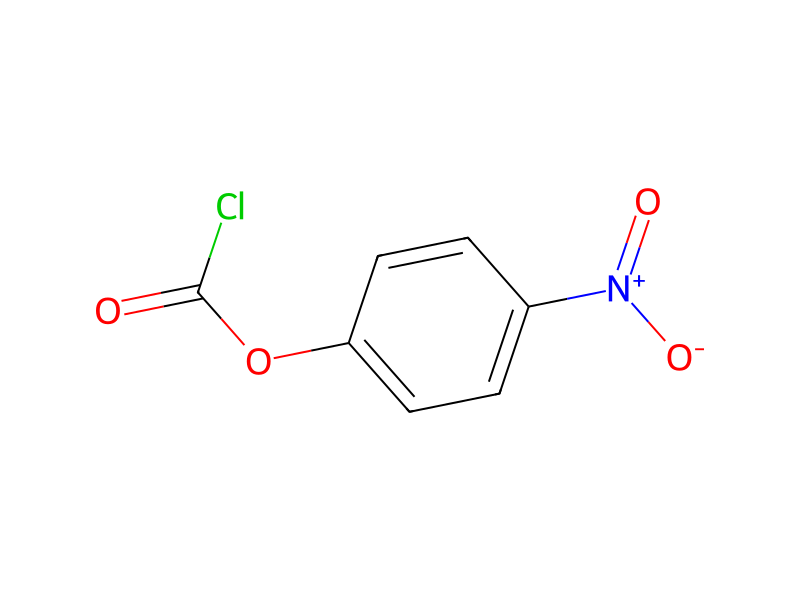

Procedure
The product from Example 5, Step 1 was prepared as described above in Example 3, Step 1 starting with 3,3-dimethyl cyclohexanol (1.07 mmol), 4-nitrophenyl chloroformate (1.18 mmol) and pyridine (1.18 mmol).1H-NMR (CDCl3): 8.3 (d, 2H); 7.4 (d, 2H); 4.85 (m, 1H); 2.1 (m, 1H); 1.1-1.8 (m, 7H); 1.05 (s, 3H); 0.95 (s, 3H).
Sources & evidence
- ORD record
- ord-0ef7463501fa45ee858603af793f3e22
- Source dataset
- uspto-grants-2002_04
- Patent number
- US06376496B1
Reaction notes
Loading…