Water → 2-(3-Bromophenyl)ethan-1-ol
Reaction equation

[Br:1][C:2]1[CH:3]=[C:4]([CH2:8][C:9](O)=[O:10])[CH:5]=[CH:6][CH:7]=1.B#B.O>O1CCCC1>[OH:10][CH2:9][CH2:8][C:4]1[CH:3]=[C:2]([Br:1])[CH:7]=[CH:6][CH:5]=1Participants
5
Reactant 3

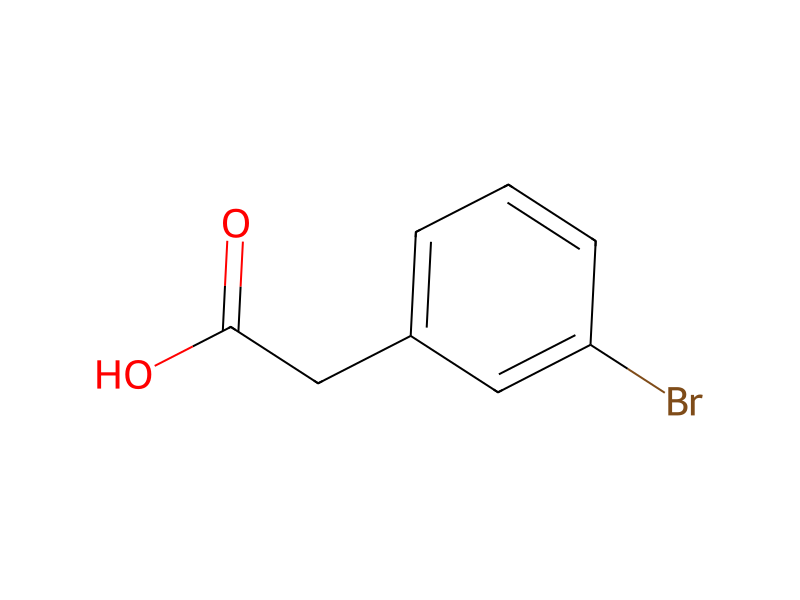

Product 1

Reagents, catalysts & solvents 1

Procedure
To a solution of 3-bromophenylacetic acid (10 g, 46.5 mmol) in tetrahydrofuran (100 ml) at 0° C. was added diborane (70 ml, 1.0 M solution in tetrahydrofuran). The reaction mixture was allowed to warm to room temperature. After 16 h, the reaction mixture was cooled to 0° C. and water was added dropwise (50 ml). The organic layer was separated and washed with brine, dried over sodium sulfate and concentrated in vacuo. The residue was purified by flash chromatography (elution gradient: 40-60% ethyl acetate/hexane) to give 3-(2-hydroxyethyl)bromobenzene (9.0 g).
Workup
- temperaturethe reaction mixture was cooled to 0° C.
- customThe organic layer was separated
- washwashed with brine
- dry with materialdried over sodium sulfate
- concentrationconcentrated in vacuo
- customThe residue was purified by flash chromatography (elution gradient: 40-60% ethyl acetate/hexane)
Sources & evidence
- ORD record
- ord-08bea69c0feb4370b85074a9963ccc25
- Source dataset
- uspto-grants-2002_04
- Patent number
- US06376527B1
Reaction notes
Loading…