Dichloroacetyl chloride → HCID 20133046, compound
Reaction equation

CC(C1C=CC=CC=1)CN.C(Cl)(=O)CC.[CH2:16]([CH:18]1[C:27]2[C:22](=[CH:23][CH:24]=[CH:25][CH:26]=2)[CH:21]([CH3:28])[CH2:20][NH:19]1)[CH3:17].C1C2C(=CC=CC=2)C=CN=1.[OH-].[Na+].[Cl:41][CH:42]([Cl:46])[C:43](Cl)=[O:44]>O.C(Cl)Cl>[Cl:41][CH:42]([Cl:46])[C:43]([N:19]1[CH2:20][CH:21]([CH3:28])[C:22]2[C:27](=[CH:26][CH:25]=[CH:24][CH:23]=2)[CH:18]1[CH2:16][CH3:17])=[O:44]Participants
9
Reactant 6

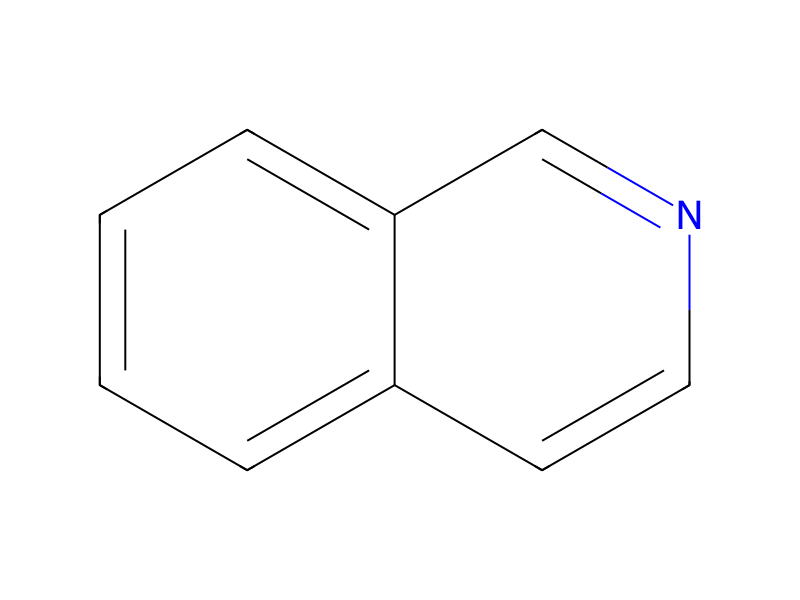


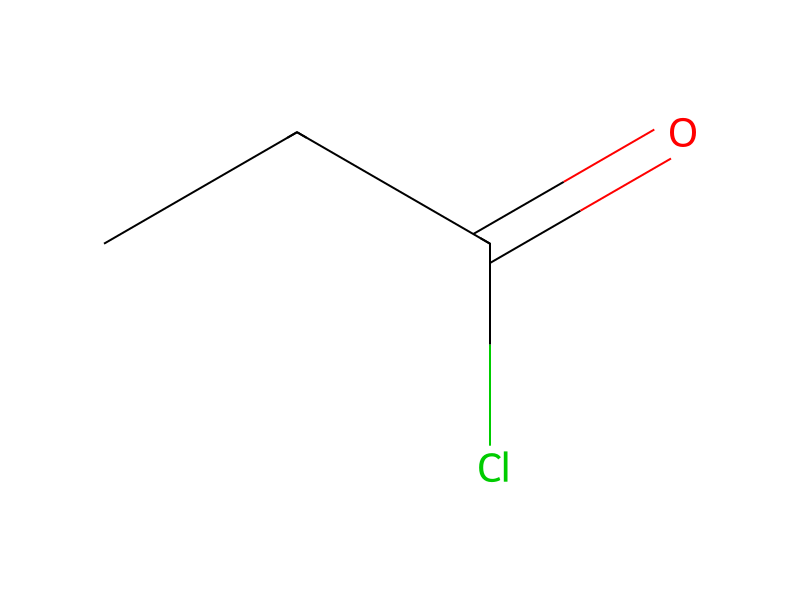

Product 1

Reagents, catalysts & solvents 2


Procedure
By procedures described in Example 1 (Method A), β-methyl-phenethylamine and propionyl chloride were converted to 1-ethyl-4-methyl-1,2,3,4-tetrahydroisoquinoline. A reaction vessel was charged with 8 g of this isoquinoline compound, 10 ml 10% sodium hydroxide and 50 ml methylene chloride. With this mixture stirred, 1.1 equivalents dichloroacetyl chloride was added dropwise to the mixture. The mixture was stirred for 2 minutes, then water was added. The organic extract was dried with magnesium sulfate and stripped solvent. The residue was recrystallized from cyclohexane to provide 4 g of a white solid product having the elemental analysis reported in Table I.
Workup
- stirringThe mixture was stirred for 2 minutes
- extractionThe organic extract
- dry with materialwas dried with magnesium sulfate
- customThe residue was recrystallized from cyclohexane
Sources & evidence
- ORD record
- ord-325f9528d0244277a7d2cb2a5fbd958a
- Source dataset
- uspto-grants-1988_07
- Patent number
- US04755218
Reaction notes
Loading…