Potassium Carbonate → HCID 13330057, compound
Reaction equation

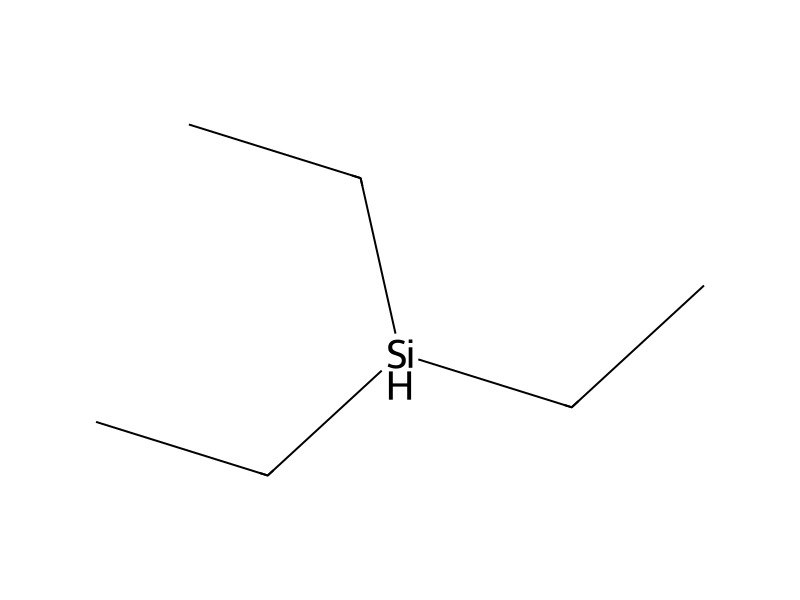
[CH3:1][O:2][C:3]1[CH:4]=[C:5]([CH:19]=[CH:20][C:21]=1[O:22][CH3:23])[C:6]([C@H:8]1[CH2:12][CH2:11][CH2:10][N:9]1[C:13](=[O:18])[C:14]([F:17])([F:16])[F:15])=O.C([SiH](CC)CC)C.C(=O)([O-])[O-].[K+].[K+]>C(Cl)Cl>[CH3:1][O:2][C:3]1[CH:4]=[C:5]([CH:19]=[CH:20][C:21]=1[O:22][CH3:23])[CH2:6][C@H:8]1[CH2:12][CH2:11][CH2:10][N:9]1[C:13](=[O:18])[C:14]([F:17])([F:15])[F:16]Participants
Reactant 3


Product 1

Reagents, catalysts & solvents 1

Procedure
(R)-2-(3,4-dimethoxybenzoyl)-1-trifluoroacetylpyrrolidine (4.9 g, 0.015 mol) was dissolved in 50 mL dry CH2Cl2 in a 500 mL round-bottom flask. To the solution was added triethylsilane (20 g, 0.172 mol) and BF3 ·Et2O (50 mL). The reaction mixture was stirred at room temperature for 3 days, after which time a saturated aqueous solution of potassium carbonate was added cautiously in a dropwise manner. When no more gas was evolved, 100 mL CH2Cl2 was added. The mixture was then shaken. The triphasic mixture was filtered through a glass fritted funnel, and the organic layer separated and dried with MgSO4. Removal of the solvent in vacuo yielded 3.2 g of (R)-2-(3,4-dimethoxybenzyl)-1-trifluoroacetylpyrrolidine (68% yield), as an oil which could be used without further purification.
Workup
- stirringThe mixture was then shaken
- filtrationThe triphasic mixture was filtered through a glass fritted funnel
- customthe organic layer separated
- dry with materialdried with MgSO4
- customRemoval of the solvent in vacuo
Sources & evidence
- ORD record
- ord-652b965da8da401594f56b8fdc478665
- Source dataset
- uspto-grants-1992_08
- Patent number
- US05135944
Reaction notes
Loading…