Hydrochloric Acid → HCID 14498935, compound
Reaction equation

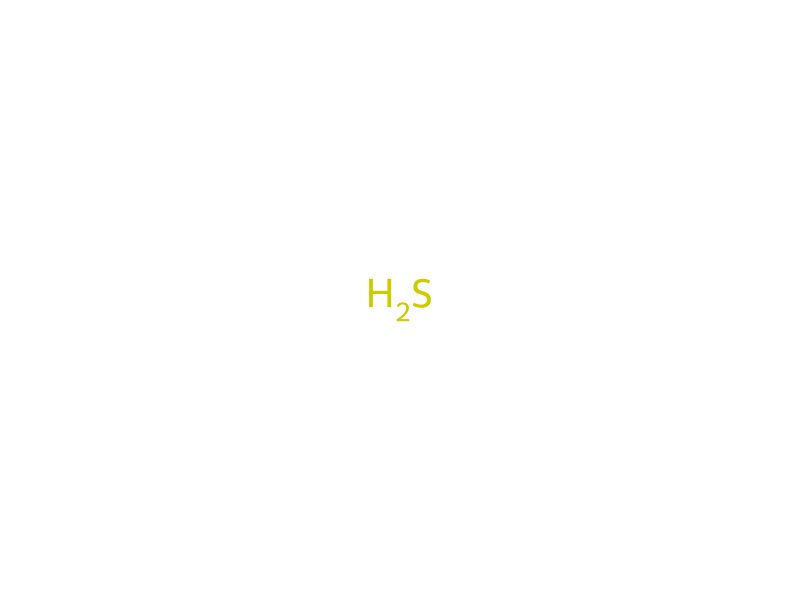
[SH2:1].[C:2]([CH2:4][CH2:5][C:6]([O:8][CH2:9][CH3:10])=[O:7])#[N:3].C(N(CC)CC)C.Cl>N1C=CC=CC=1>[CH2:9]([O:8][C:6]([CH2:5][CH2:4][C:2]([NH2:3])=[S:1])=[O:7])[CH3:10]Participants
6
Reactant 4



Product 1

Reagents, catalysts & solvents 1

Procedure
Hydrogen sulfide was introduced with stirring at room temperature into a solution of 31.8 g (0.25 mol) of ethyl 3-cyanopropionate and 34.6 ml (0.25 mol) of triethylamine in 75 ml of pyridine for 9 hours. After allowing to stand overnight, the reaction mixture is rendered acidic with 2N hydrochloric acid with cooling and extracted several times with ethyl acetate. The combined organic phase, which is dried over sodium sulfate, is carefully concentrated under reduced pressure. The oily residue remaining (35.0 g =87 % of theory) is composed of about 87 % of 3-(ethoxycarbonyl)thiopropionamide and 13 % of ethyl 3-cyanopropionate according to GC analysis.
Workup
- temperaturewith cooling
- extractionextracted several times with ethyl acetate
- dry with materialThe combined organic phase, which is dried over sodium sulfate
- concentrationis carefully concentrated under reduced pressure
Sources & evidence
- ORD record
- ord-71d99c431d6e4f54ba2e82b0be125b95
- Source dataset
- uspto-grants-1992_08
- Patent number
- US05137897
Reaction notes
Loading…