p-Toluenesulfonic acid → 1,5-Dioxa-8-azaspiro[5.4]decane benzyl carbamate
Reaction equation

[CH2:1]([NH:8][C:9](=[O:11])[OH:10])[C:2]1[CH:7]=[CH:6][CH:5]=[CH:4][CH:3]=1.[NH:12]1[CH2:16][CH2:15][C:14](=[O:17])[CH2:13]1.[CH2:18](O)[CH2:19][CH2:20][OH:21].C1(C)C=CC(S(O)(=O)=O)=CC=1.C(=O)(O)[O-].[Na+]>C1(C)C=CC=CC=1>[CH2:1]([NH:8][C:9](=[O:10])[OH:11])[C:2]1[CH:7]=[CH:6][CH:5]=[CH:4][CH:3]=1.[O:21]1[C:14]2([CH2:15][CH2:16][NH:12][CH2:13]2)[O:17][CH2:18][CH2:19][CH2:20]1Participants
6

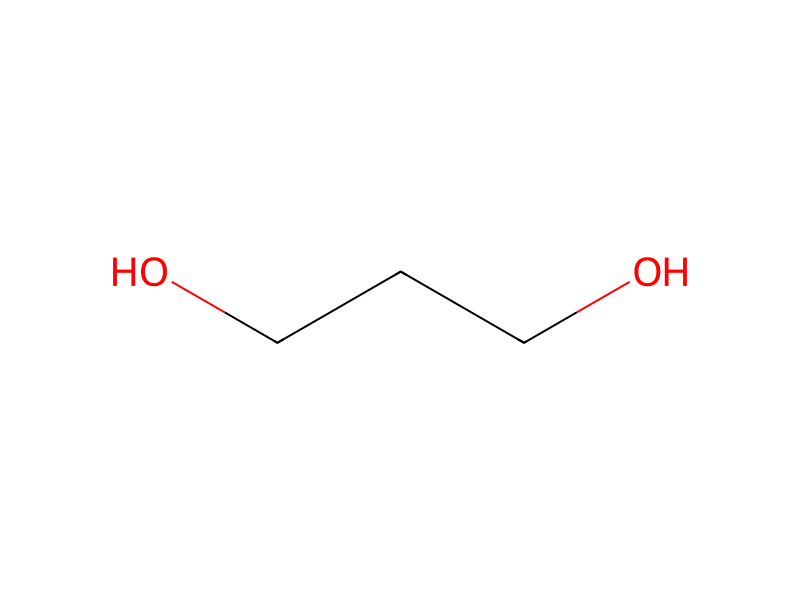




Procedure
Into a round bottom flask were placed 2.00 g (9.1 mmol) of 3-pyrrolidinone benzyl carbamate, from Example 1 Step 2, dissolved in 40 mL of toluene, 1.65 mL (22.8 mmol) of 1,3-propanediol and 0.09 g (0.46 mmol) of p-toluenesulfonic acid. The mixture was heated at 110°-125° C. for 48 hours. The solution was poured into 100 mL of 5% sodium bicarbonate solution, and the product was extracted into ethyl acetate, which was then dried over anhydrous sodium sulfate. The solvent was removed under vacuum, and the residue distilled in a kugelrohr apparatus (200° C. @ 2.5 Torr) to afford the title compound, MS: M/Z 295 (M+NH4), which was taken directly to the next step.
Workup
- customInto a round bottom flask were placed
- temperatureThe mixture was heated at 110°-125° C. for 48 hours
- extractionthe product was extracted into ethyl acetate, which
- dry with materialwas then dried over anhydrous sodium sulfate
- customThe solvent was removed under vacuum
- distillationthe residue distilled in a kugelrohr apparatus (200° C. @ 2.5 Torr)
Sources & evidence
- ORD record
- ord-db32f40e77e948ae88db8b7a9b96af7f
- Source dataset
- uspto-grants-1992_08
- Patent number
- US05137892
Reaction notes
Loading…