Hydrochloric Acid → HCID 178526205, compound
Reaction equation

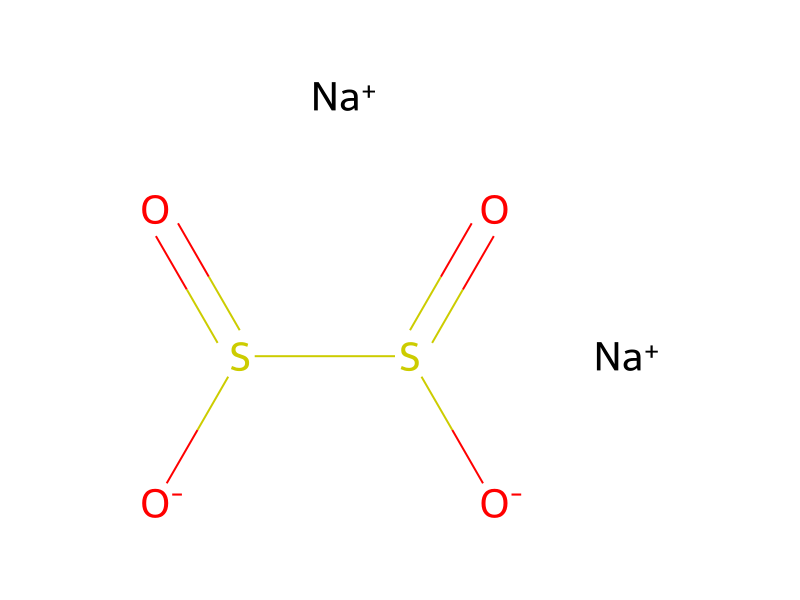
[C:1]([SeH:10])(=[Se])[C:2]1[C:3](=[CH:5][CH:6]=[CH:7][CH:8]=1)O.[OH-:11].[Na+].C(=O)([O-])[O-].[Na+].[Na+].S(S([O-])=O)([O-])=O.[Na+].[Na+].[CH2:27](Br)[C:28]1[CH:33]=[CH:32][CH:31]=[CH:30][CH:29]=1.Cl>O>[CH2:27]([C:3]1[CH:5]=[CH:6][CH:7]=[CH:8][C:2]=1[C:1]([OH:11])=[Se:10])[C:28]1[CH:33]=[CH:32][CH:31]=[CH:30][CH:29]=1Participants







Conditions
- Temperature
- 55 °C
Procedure
To a stirred suspension of 50.0 g (0.125 mol) diselenosalicylic acid in 380 ml water is added 38.0 g (0.95 mol) sodium hydroxide, when the internal temperature rises to 45° C. and the acid goes into solution. On addition of 100 g (0.94 mol) sodium carbonate and 58 g (0.33 mol) sodium dithionite the temperature increases to 55° C. The mixture is heated to reflux for 2 h, allowed to cool to room temperature and 47.6 ml (68.4 g; 0.4 mol) benzyl bromide is added dropwise within 10 minutes. Further water (100 ml) is added and the stirring is continued at room temperature for 14 hours, then 355 ml (32%) hydrochloric acid is slowly added to the reaction mixture with stirring, the precipitated white solid is filtered off and then washed to neutrality with water. The moist product is recrystallized from 1600 ml propanol with the addition of 3 g active charcoal. The yield is 48.8 g (67% of th.). The mother liquors yield a further 12 g (16.5%) 2-benzylselenobenzoic acid.
Workup
- customrises to 45° C.
- temperatureThe mixture is heated
- temperatureto reflux for 2 h
- temperatureto cool to room temperature
- filtrationthe precipitated white solid is filtered off
- washwashed
- customThe moist product is recrystallized from 1600 ml propanol with the addition of 3 g active charcoal
Sources & evidence
- ORD record
- ord-028fdae4d6a44b3ea82e6924c9afef3e
- Source dataset
- uspto-grants-1992_08
- Patent number
- US05141955
Reaction notes
Loading…