Hydrochloric Acid → 1H-Indole, 3-[[4-(2-methoxyphenyl)-1-piperazinyl]methyl]-
Reaction equation

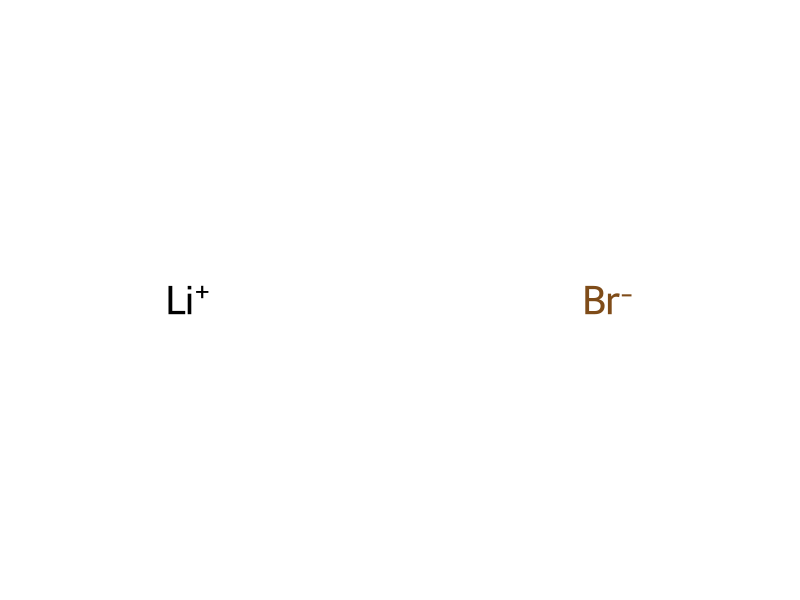
[CH:1]1[CH:2]=[CH:3][C:4]2[NH:9][CH:8]=[C:7]([CH2:10]O)[C:5]=2[CH:6]=1.[CH3:12][O:13][C:14]1[CH:19]=[CH:18][CH:17]=[CH:16][C:15]=1[N:20]1[CH2:25][CH2:24][NH:23][CH2:22][CH2:21]1.[Br-].[Li+].[OH-].[K+].Cl.C1(N)C(F)=C(F)C(F)=C(N)C=1F.Cl.Cl>C(O)C>[CH3:12][O:13][C:14]1[CH:19]=[CH:18][CH:17]=[CH:16][C:15]=1[N:20]1[CH2:25][CH2:24][N:23]([CH2:10][C:7]2[C:5]3[C:4](=[CH:3][CH:2]=[CH:1][CH:6]=3)[NH:9][CH:8]=2)[CH2:22][CH2:21]1Participants
8
Reactant 6





Product 1

Reagents, catalysts & solvents 1

Conditions
- Temperature
- 60 °C
Procedure
One mole (147 g) of indole-3-carbinol and one mole (192 g) of 1-(2-methoxyphenyl)piperazine were dissolved in 1.5 liters of ethanol 60%. One mole (87 g) of lithium bromide and 0.1 mole (5.6 g) of potassium hydroxide were added, then the reaction medium was heated at reflux under stirring for 24 hours. After the reaction medium had cooled to 60° C., hydrochloric acid was added until persistence of an acidic pH. Then 189 g of the dihydrochloride salt of the title product was allowed to crystallize by cooling at 0° C. overnight, producing a global yield of 59% (m.p. 188°-190° C. with decomposition.)
Workup
- temperaturethe reaction medium was heated
- temperatureat reflux
Sources & evidence
- ORD record
- ord-68b9bf8db1914949b05a271879e5cc93
- Source dataset
- uspto-grants-1992_08
- Patent number
- US05142052
Reaction notes
Loading…