Picolinic acid → (2S,3R,4R,5S)-2,5-Di-(N-((2-pyridinyl)carbonyl)amino)-3,4-dihydroxy-1,6-diphenylhexane
Reaction equation

[N:1]1[CH:6]=[CH:5][CH:4]=[CH:3][C:2]=1[C:7]([OH:9])=O.[NH2:10][C@H:11]([C@@H:19]([OH:31])[C@H:20]([OH:30])[C@@H:21]([NH2:29])[CH2:22][C:23]1[CH:28]=[CH:27][CH:26]=[CH:25][CH:24]=1)[CH2:12][C:13]1[CH:18]=[CH:17][CH:16]=[CH:15][CH:14]=1.N=[C:33]=[NH:34]>C(Cl)(Cl)Cl>[N:34]1[CH:33]=[CH:5][CH:4]=[CH:3][C:2]=1[C:7]([NH:10][C@H:11]([C@@H:19]([OH:31])[C@H:20]([OH:30])[C@@H:21]([NH:29][C:7]([C:2]1[CH:3]=[CH:4][CH:5]=[CH:6][N:1]=1)=[O:9])[CH2:22][C:23]1[CH:28]=[CH:27][CH:26]=[CH:25][CH:24]=1)[CH2:12][C:13]1[CH:18]=[CH:17][CH:16]=[CH:15][CH:14]=1)=[O:9]Participants
5

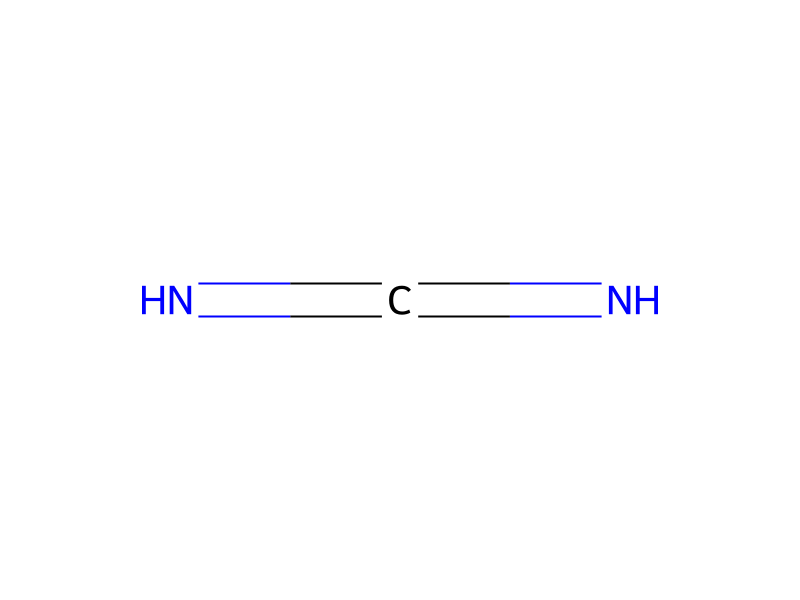



Procedure
Picolinic acid was coupled to the resultant compound of Example 171 using the carbodiimide coupling procedure described in Example 55 to provide, after chromatography on silica gel using 5% methanol in chloroform, 58 mg (60%) of the desired compound (Rf 0.6, 10% methanol in chloroform) as a white solid, m.p. 179°-184° C. Mass spectrum: (M+H)+ =511.
Workup
- customto provide
Sources & evidence
- ORD record
- ord-d234bc7101ac4fb9b45f5b13fe63eab2
- Source dataset
- uspto-grants-1992_08
- Patent number
- US05142056
Reaction notes
Loading…