Catechol → 2,3-dihydro-1,4-benzodioxin-2-one
Reaction equation

[C:1]1([C:3](=[CH:5][CH:6]=[CH:7][CH:8]=1)[OH:4])[OH:2].Cl[CH2:10][C:11](OCC)=[O:12].Cl>CCCCCCCC[N+](CCCCCCCC)(CCCCCCCC)C.[Cl-]>[O:2]1[C:1]2[CH:8]=[CH:7][CH:6]=[CH:5][C:3]=2[O:4][CH2:10][C:11]1=[O:12]Participants
5
Reactant 3


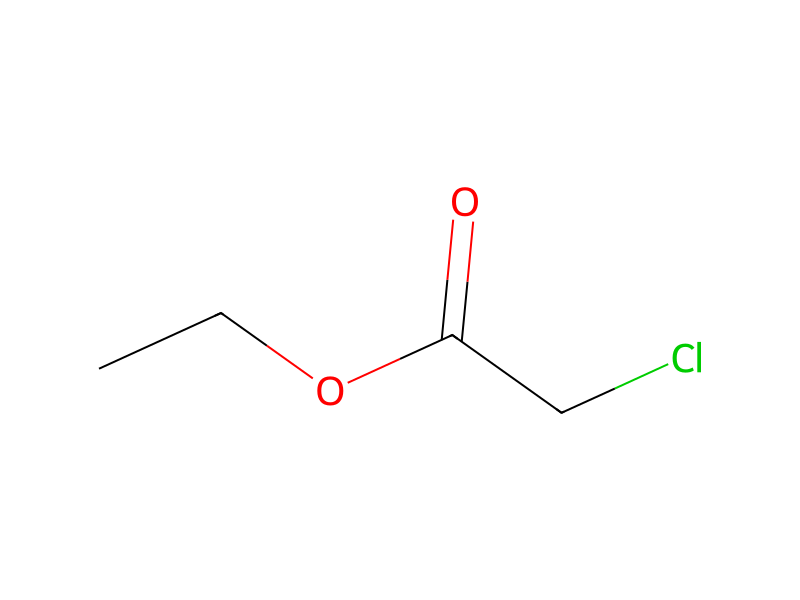
Product 1

Reagents, catalysts & solvents 1

Procedure
To a stirred solution of 120 grams of catechol and 10 grams of Aliquat® 336 (brand of tricaprylmethylammonium chloride, of General Mills Chemical Company of Minneapolis, Minnesota) at 80° C. is added ethyl chloroacetate (87 grams, 1 mole) over a one hour period. The reaction mass is stirred for one hour and then cooled. 1000 ml of dilute (5%) hydrochloric acid is added with stirring. The aqueous layer is discarded. The organic layer is washed twice with a minimum amount of water. The toluene is distilled off under reduced pressure to afford 119 grams of crude product. Recrystallization from ethanol afforded 92 grams of 1,4-benzodioxan-2-one.
Workup
- temperaturecooled
- additionis added
- stirringwith stirring
- washThe organic layer is washed twice with a minimum amount of water
- distillationThe toluene is distilled off under reduced pressure
- customto afford 119 grams of crude product
- customRecrystallization from ethanol
Sources & evidence
- ORD record
- ord-127b3ac12aa44f8da80407db6e53473a
- Source dataset
- uspto-grants-1981_10
- Patent number
- US04294266
Reaction notes
Loading…