Ethyl Acetate → HCID 22379448, compound
Reaction equation

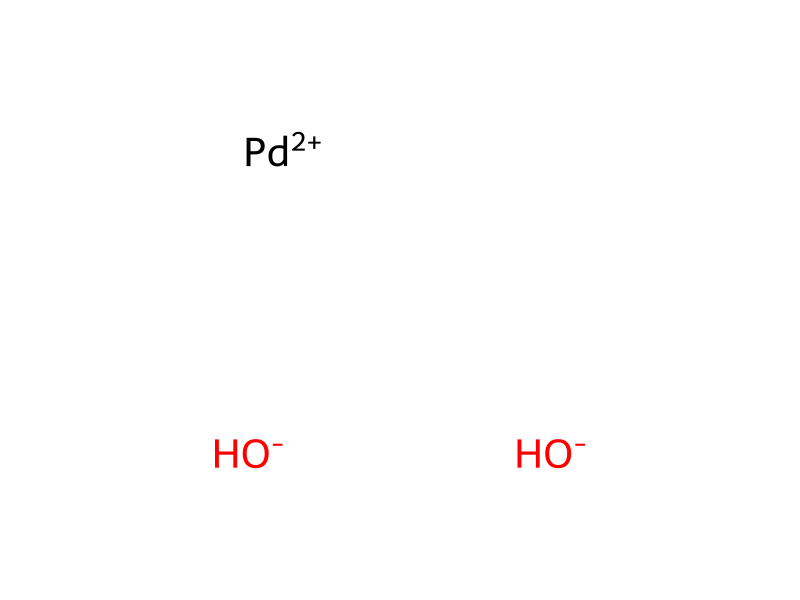
Cl.Cl.Cl.N1C=C(C[N:10]2[C:16]3[CH:17]=[CH:18][C:19](C4C=NC=CC=4)=[CH:20][C:15]=3C[N:13](C(=O)C(F)(F)F)[CH:12]([CH2:33][C:34]3[CH:39]=[CH:38][CH:37]=[CH:36][CH:35]=3)[CH2:11]2)N=C1.[H][H].C(OCC)(=[O:44])C>[OH-].[OH-].[Pd+2]>[O:44]=[C:11]1[NH:10][C:16]2[C:17](=[CH:18][CH:19]=[CH:20][CH:15]=2)[NH:13][CH:12]1[CH2:33][C:34]1[CH:39]=[CH:38][CH:37]=[CH:36][CH:35]=1Participants
5
Reactant 3



Product 1

Reagents, catalysts & solvents 1
Procedure
To a solution of Compound B (720 mg, 2.34 mmol) in ethyl acetate (5 mL) at rt was added 20% Pd(OH)2 /C (40 mg). The flask was filled with hydrogen gas via a balloon. After 5 hr, the mixture was filtered through celite, and the filtrate was concentrated in vacuo. The colorless solid was chromatographed (silica, flash, 30% EtOAc/hexanes) to afford Compund C (550 mg, 98%) as a solid. MS (M+H)+ 239.
Workup
- filtrationthe mixture was filtered through celite
- concentrationthe filtrate was concentrated in vacuo
- customThe colorless solid was chromatographed (silica, flash, 30% EtOAc/hexanes)
- customto afford Compund C (550 mg, 98%) as a solid
Sources & evidence
- ORD record
- ord-5330d37b93b14643989cf7416402431d
- Source dataset
- uspto-grants-2000_01
- Patent number
- US06011029
Reaction notes
Loading…