Hydrochloric Acid → HCID 20501555, compound
Reaction equation

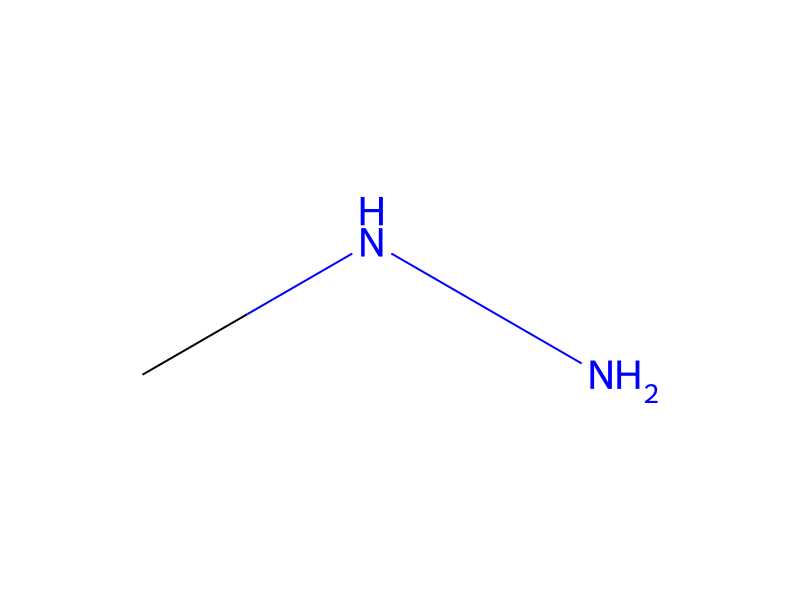
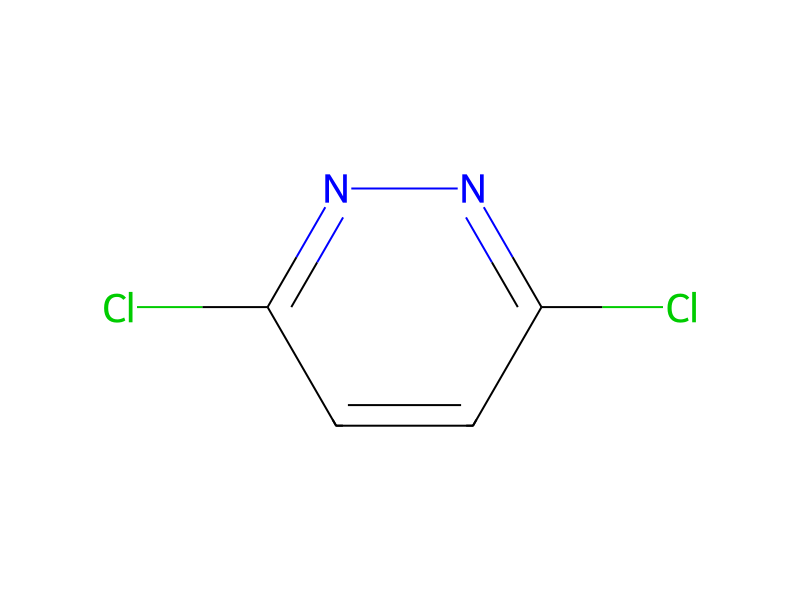
[Cl:1][C:2]1[N:3]=[N:4][C:5](Cl)=[CH:6][CH:7]=1.[CH3:9][NH:10][NH2:11].C(=O)(O)[O-].[Na+].[CH2:17]([CH2:21][C:22](=O)[CH3:23])[C:18]([CH3:20])=O.Cl>O>[Cl:1][C:2]1[N:3]=[N:4][C:5]([N:10]([N:11]2[C:22]([CH3:23])=[CH:21][CH:17]=[C:18]2[CH3:20])[CH3:9])=[CH:6][CH:7]=1Participants
7
Reactant 5



Product 1

Reagents, catalysts & solvents 1

Conditions
- Temperature
- 60 °C
Procedure
A mixture of water (300 ml), 3,6-dichloropyridazine (29.8 g; 0.2 mole), methylhydrazine (9.2 g; 0.2 mole), and sodium bicarbonate (17.8 g; 0.2 mole), is heated to the reflux temperature for two hours. After cooling to about 60° C., acetonylacetone (22.2 g; 0.2 mole) is added and stirring is prosecuted for further 1 hour. Then the mixture is neutralized with hydrochloric acid and the obtained precipitate is collected and crystallized from ethyl ether, yielding 28 g (59.2%) of 6-chloro-N-(2,5-dimethyl-1H-pyrrol-1-yl)-N-methyl-3-pyridazineamine, whose structure is confirmed by I.R. and NMR spectra. M.p. 93°-94.5° C.
Workup
- temperatureis heated to the reflux temperature for two hours
- customthe obtained precipitate is collected
- customcrystallized from ethyl ether
Sources & evidence
- ORD record
- ord-046629c6c6284468b016c72af451f03e
- Source dataset
- uspto-grants-1983_05
- Patent number
- US04385179
Reaction notes
Loading…