Chloroacetone → HCID 11558165, compound
Reaction equation

C(=O)([O-])[O-].[K+].[K+].C(N(C(C)C)C(C)C)C.Cl[CH2:17][C:18](=[O:20])[CH3:19].[N:21]1([C:27]([O:29][CH2:30][C:31]2[CH:36]=[CH:35][CH:34]=[CH:33][CH:32]=2)=[O:28])[CH2:26][CH2:25][NH:24][CH2:23][CH2:22]1>C(#N)C>[O:20]=[C:18]([CH3:19])[CH2:17][N:24]1[CH2:23][CH2:22][N:21]([C:27]([O:29][CH2:30][C:31]2[CH:36]=[CH:35][CH:34]=[CH:33][CH:32]=2)=[O:28])[CH2:26][CH2:25]1Participants
6
Reactant 4



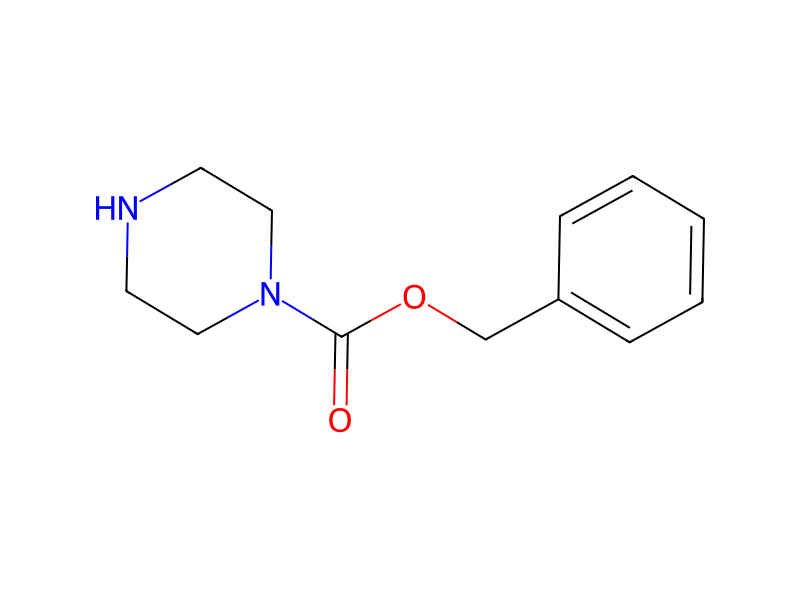
Product 1

Reagents, catalysts & solvents 1

Procedure
Potassium carbonate (1.27 g, 9.22 mmol), N-ethyldiisopropylamine (0.80 ml, 4.61 mmol), and chloroacetone (1.22 ml, 13.83 mmol) were added to a solution of benzyl piperazine-1-carboxylate (2.03 g, 90.22 mmol) in acetonitrile(20 ml), and the mixture was heated under reflux for 2 hours. The insoluble substances were removed by filtration and washed with ethyl acetate. The filtrate was concentrated under reduced pressure. The residue was purified by silica gel column chromatography(methylene chloride/methanol=100/1) to afford benzyl 4-(2-oxopropyl)piperazine-1-carboxylate (2.24 g, yield 88%) as a pale yellow oil.
Workup
- temperaturethe mixture was heated
- temperatureunder reflux for 2 hours
- customThe insoluble substances were removed by filtration
- washwashed with ethyl acetate
- concentrationThe filtrate was concentrated under reduced pressure
- customThe residue was purified by silica gel column chromatography(methylene chloride/methanol=100/1)
Sources & evidence
- ORD record
- ord-3fae510a45ed4a9f9af3666d7a866882
- Source dataset
- uspto-grants-2007_08
- Patent number
- US07262212B2
Reaction notes
Loading…