Hypochlorite → Methyl 2,4-dichloro-3-(3-t-butyl-4,5-dihydroisoxazol-5-yl)benzoate
Reaction equation

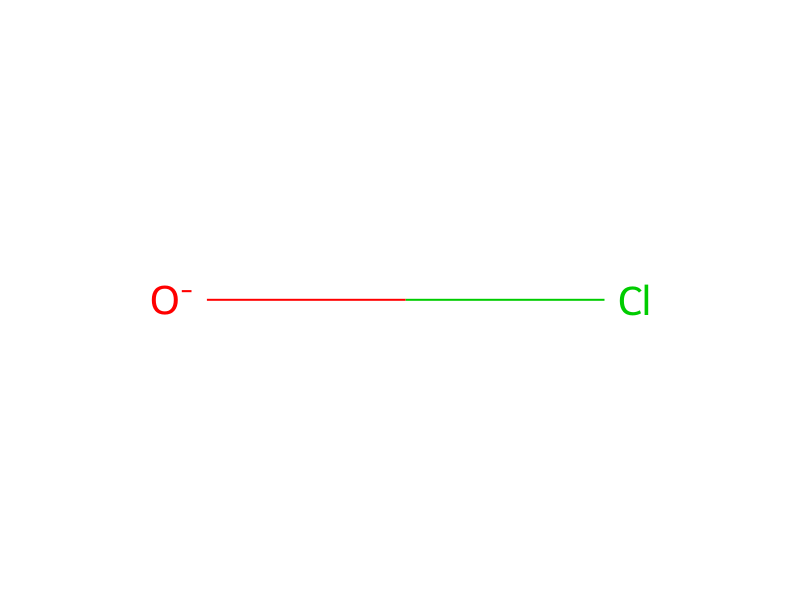
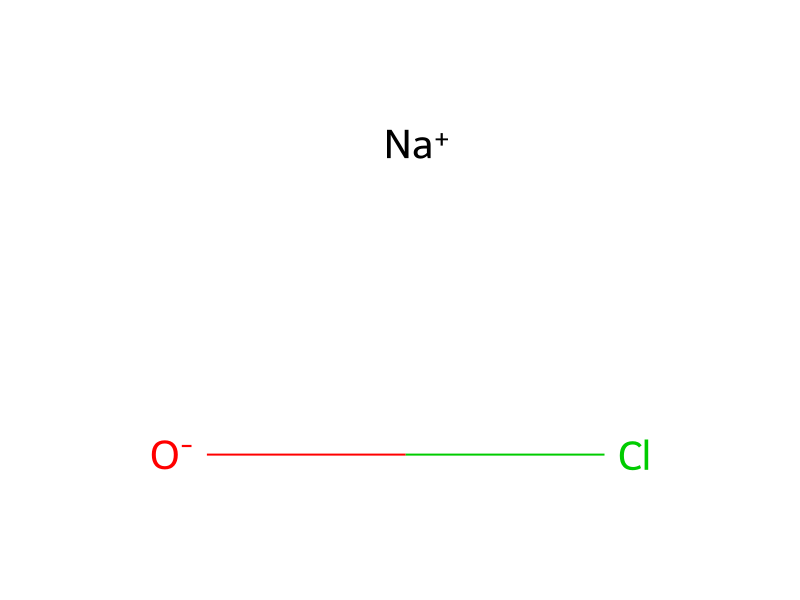
Cl[O-].[Na+].[Cl:4][C:5]1[C:14]([CH:15]=[CH2:16])=[C:13]([Cl:17])[CH:12]=[CH:11][C:6]=1[C:7]([O:9][CH3:10])=[O:8].[CH3:18][C:19]([CH3:24])([CH3:23])[CH:20]=[N:21][OH:22].Cl[O-]>ClCCl.O>[Cl:4][C:5]1[C:14]([CH:15]2[O:22][N:21]=[C:20]([C:19]([CH3:24])([CH3:23])[CH3:18])[CH2:16]2)=[C:13]([Cl:17])[CH:12]=[CH:11][C:6]=1[C:7]([O:9][CH3:10])=[O:8]Participants
7
Reactant 4


Product 1

Reagents, catalysts & solvents 2


Procedure
At room temperature, 17 ml of a 12% strength aqueous sodium hypochlorite solution were added dropwise with vigorous stirring to a solution of 2.6 g (10 mmol) of methyl 2,4-dichloro-3-ethenylbenzoate and 1 g (10 mmol) of 2,2-dimethylpropionaldoxime in 100 ml of dichloromethane. Twice, in each case after 2 hours of stirring, a further 0.5 g (5 mmol) of the oxime and 9 ml of the hypochlorite solution were added. The reaction mixture was stirred at room temperature for a further 12 hours and then stirred into 350 ml of water. After extraction with dichloromethane, drying and removal of the solvent, the residue was chromatographed.
Workup
- stirringThe reaction mixture was stirred at room temperature for a further 12 hours
- extractionAfter extraction with dichloromethane
- customdrying
- customremoval of the solvent
- customthe residue was chromatographed
Sources & evidence
- ORD record
- ord-5fa49c6a40804c33a8442e2eb1ec76b4
- Source dataset
- uspto-grants-2006_12
- Patent number
- US07151075B2
Reaction notes
Loading…