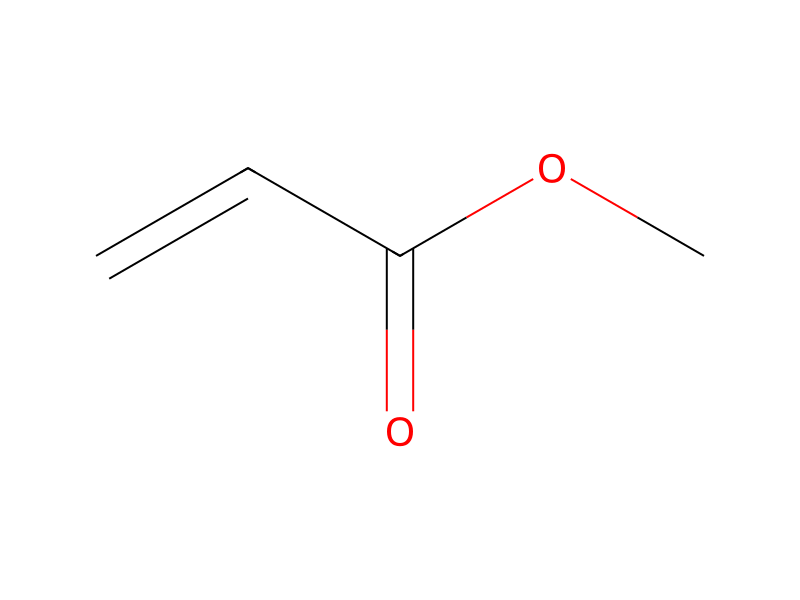
Methyl Acrylate → HCID 68843710, compound
Reaction equation

[CH2:1]([O:8][C:9](=[O:18])[C:10]1[CH:15]=[CH:14][C:13](Br)=[C:12]([CH3:17])[CH:11]=1)[C:2]1[CH:7]=[CH:6][CH:5]=[CH:4][CH:3]=1.[C:19]([O:23][CH3:24])(=[O:22])[CH:20]=[CH2:21].C(N(C(C)C)CC)(C)C>>[CH2:1]([O:8][C:9](=[O:18])[C:10]1[CH:15]=[CH:14][C:13]([CH:21]=[CH:20][C:19]([O:23][CH3:24])=[O:22])=[C:12]([CH3:17])[CH:11]=1)[C:2]1[CH:7]=[CH:6][CH:5]=[CH:4][CH:3]=1Participants
4



Conditions
- Temperature
- 110 °C
Procedure
To a solution of 4-bromo-3-methyl-benzoic acid benzyl ester (36 g, 118 mmol) in propronitrile (1000 mL) is added methyl acrylate (43.3 mL) and diisopropylethyl amine (42 mL), the solution is degassed and filled with nitrogen for three times. To this mixture are added tri-o-tolyl-phosphane (14.5 g) and palladium acetate (5.34 g) under nitrogen, then heated at 110° C. overnight, cooled to room temperature, filtered through celite. The solvent is evaporated, the residue is taken into ethyl acetate and washed with water and brine, dried over sodium sulfate. Concentration and column chromatography on silica gel eluted with hexanes and ethyl acetate gave the title compound (31 g, 84.7%).
Workup
- customthe solution is degassed
- additionfilled with nitrogen for three times
- additionTo this mixture are added tri-o-tolyl-phosphane (14.5 g) and palladium acetate (5.34 g) under nitrogen
- temperaturecooled to room temperature
- filtrationfiltered through celite
- customThe solvent is evaporated
- washwashed with water and brine
- dry with materialdried over sodium sulfate
- concentrationConcentration and column chromatography on silica gel
- washeluted with hexanes and ethyl acetate
Sources & evidence
- ORD record
- ord-c5bd7b54ff71406b9066f2652e4a1044
- Source dataset
- uspto-grants-2006_12
- Patent number
- US07153878B2
Reaction notes
Loading…