Dicyandiamide → 6-[2-Chloro-5-(trifluoromethyl)phenyl]-1,3,5-triazine-2,4-diamine
Reaction equation

[C:1]([C:3]1[CH:4]=[C:5]([C:10]([F:13])([F:12])[F:11])[CH:6]=[CH:7][C:8]=1[Cl:9])#[N:2].[C:14]([N:16]=[C:17]([NH2:19])[NH2:18])#[N:15].[OH-].[K+]>COCCOCCOC.O>[NH2:15][C:14]1[N:16]=[C:17]([NH2:19])[N:18]=[C:1]([C:3]2[C:8]([Cl:9])=[CH:7][CH:6]=[C:5]([C:10]([F:13])([F:11])[F:12])[CH:4]=2)[N:2]=1Participants
6





Procedure
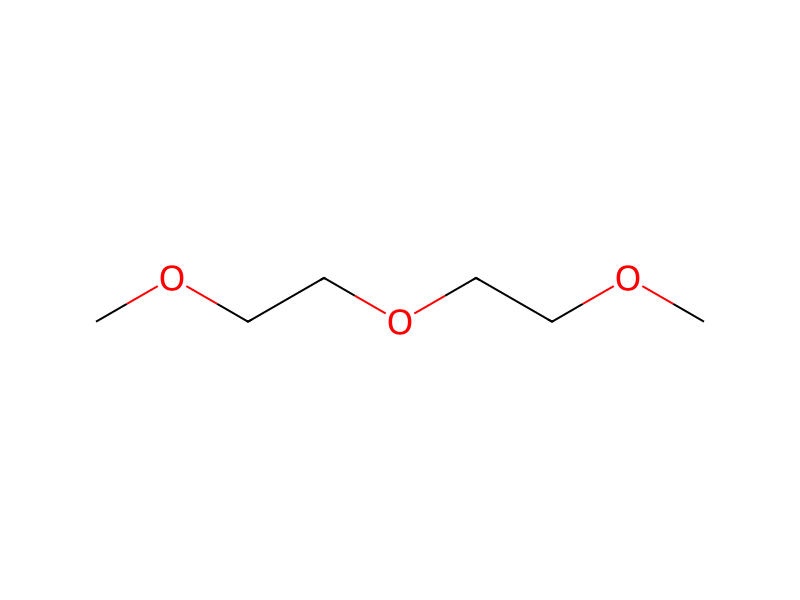
4.0 g of 3-cyano-4-chlorobenzotrifluoride (90°-102° C./29 mm Hg), 2.0 g of dicyanodiamide and 1.0 g of caustic potash are refluxed in 10 ml of diglyme for 3 hours. After cooling, the mixture is diluted with water and the separated crystals are recrystallized from methanol. Melting point: 210°-212° C.; yield: 3.8 g.
Workup
- temperatureAfter cooling
- customthe separated crystals are recrystallized from methanol
Sources & evidence
- ORD record
- ord-a4201581b50c48388fce64fa2b23b05b
- Source dataset
- uspto-grants-1978_07
- Patent number
- US04103009
Reaction notes
Loading…