Formamide → N-[(Toluene-4-sulfonyl)-(3-chloro-4,5-dimethoxyphenyl)methyl]formamide
Reaction equation

[Cl:1][C:2]1[C:3]([O:12][CH3:13])=[C:4]([O:10][CH3:11])[CH:5]=[C:6]([CH:9]=1)[CH:7]=O.[C:14]1([CH3:23])[CH:19]=[CH:18][C:17]([S:20]([OH:22])=[O:21])=[CH:16][CH:15]=1.C12(CS(O)(=O)=O)C(C)(C)C(CC1)CC2=O.[CH:39]([NH2:41])=[O:40]>>[C:14]1([CH3:23])[CH:19]=[CH:18][C:17]([S:20]([CH:7]([C:6]2[CH:5]=[C:4]([O:10][CH3:11])[C:3]([O:12][CH3:13])=[C:2]([Cl:1])[CH:9]=2)[NH:41][CH:39]=[O:40])(=[O:22])=[O:21])=[CH:16][CH:15]=1Participants
5
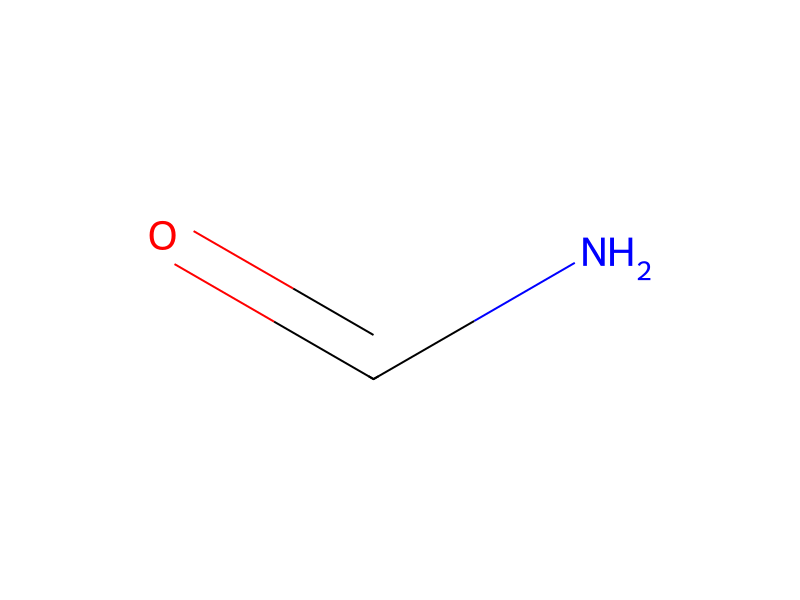

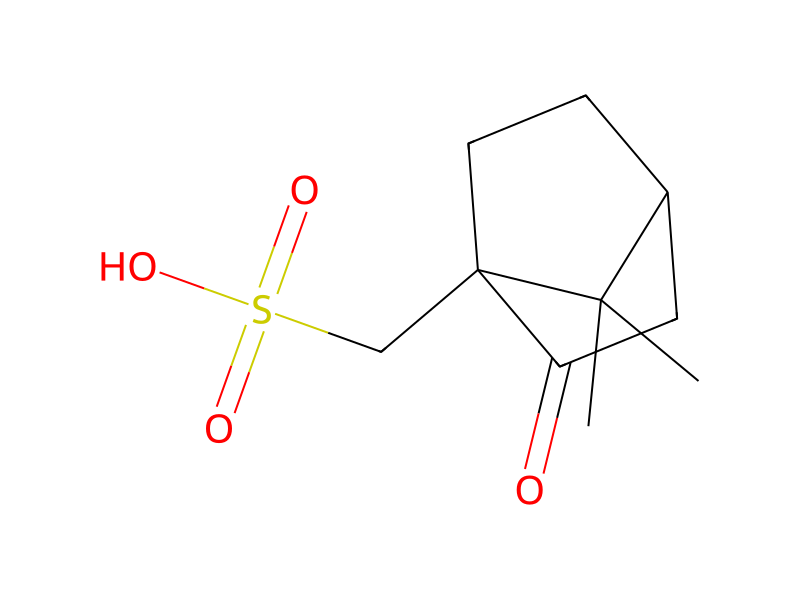


Conditions
- Temperature
- 65 °C
Procedure
5-Chloroveratraldehyde (5.7 g, 23.4 mmol), para-toluenesulfinic acid (3.0 g, 19.3 mmol) and camphorsulfonic acid (110 mg, 0.47 mmol) were treated with formamide (10 mL). Upon heating to 65° C. the reaction mixture turned into a solution and after two hours the product began to precipitate. After stirring for 16 h the precipitate was filtered, washed with methanol and dried in vacuum.
Workup
- customto precipitate
- filtrationwas filtered
- washwashed with methanol
- customdried in vacuum
Sources & evidence
- ORD record
- ord-425d241388c24a97a7cc0acd27d72100
- Source dataset
- uspto-grants-2015_03
- Patent number
- US08980933B2
Reaction notes
Loading…