Triethylamine → HCID 2851076, compound
Reaction equation

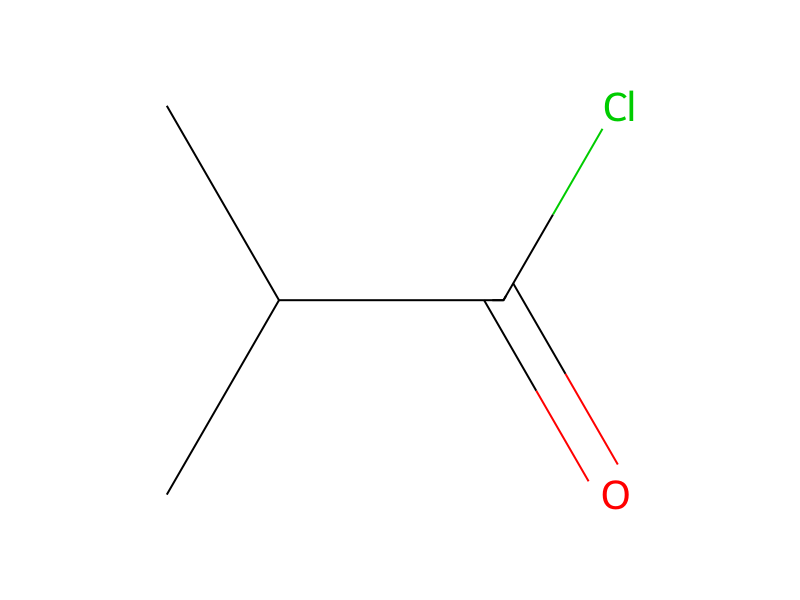
C(N(CC)CC)C.[N+:8]([C:11]1[CH:16]=[CH:15][C:14]([N:17]2[CH2:22][CH2:21][NH:20][CH2:19][CH2:18]2)=[CH:13][CH:12]=1)([O-:10])=[O:9].[C:23](Cl)(=[O:27])[CH:24]([CH3:26])[CH3:25]>ClCCl>[CH3:25][CH:24]([CH3:26])[C:23]([N:20]1[CH2:21][CH2:22][N:17]([C:14]2[CH:13]=[CH:12][C:11]([N+:8]([O-:10])=[O:9])=[CH:16][CH:15]=2)[CH2:18][CH2:19]1)=[O:27]Participants
5
Reactant 3


Product 1

Reagents, catalysts & solvents 1

Procedure
Triethylamine (976 mg, 9.66 mmol) was added to a solution of 1-(4-nitrophenyl)piperazine (1.00 g, 4.83 mmol) in dichloromethane (20 mL) at 0° C. and stirred for 30 min. Isobutyryl chloride (617 mg, 5.79 mmol) was then added and the mixture was warmed to ambient temperature and stirred for 4 h. the reaction mixture was quenched with ice-water and the organic layer separated. The aqueous layer was extracted with dichloromethane (5×5 mL) and the combined organic layers were washed water, saturated sodium bicarbonate solution, brine, dried over anhydrous sodium sulphate and concentrated in vacuo to afford 2-methyl-1-[4-(4-nitrophenyl)piperazin-1-yl]propan-1-one (1.20 g, 90%) as a yellow solid.
Workup
- stirringstirred for 4 h. the reaction mixture
- customwas quenched with ice-water
- customthe organic layer separated
- extractionThe aqueous layer was extracted with dichloromethane (5×5 mL)
- washthe combined organic layers were washed water, saturated sodium bicarbonate solution, brine
- dry with materialdried over anhydrous sodium sulphate
- concentrationconcentrated in vacuo
Sources & evidence
- ORD record
- ord-fb4fa2e640114739aae6f0f154d24b91
- Source dataset
- uspto-grants-2015_03
- Patent number
- US08993574B2
Reaction notes
Loading…