Potassium Carbonate → 2-Bromo-N-cyclohexyl-N-cyclopropyl-acetamide
Reaction equation

Cl.[CH:2]1([NH:8][CH:9]2[CH2:11][CH2:10]2)[CH2:7][CH2:6][CH2:5][CH2:4][CH2:3]1.C(=O)([O-])[O-].[K+].[K+].[Br:18][CH2:19][C:20](Br)=[O:21]>C(Cl)Cl.O>[Br:18][CH2:19][C:20]([N:8]([CH:2]1[CH2:7][CH2:6][CH2:5][CH2:4][CH2:3]1)[CH:9]1[CH2:11][CH2:10]1)=[O:21]Participants
6





Procedure
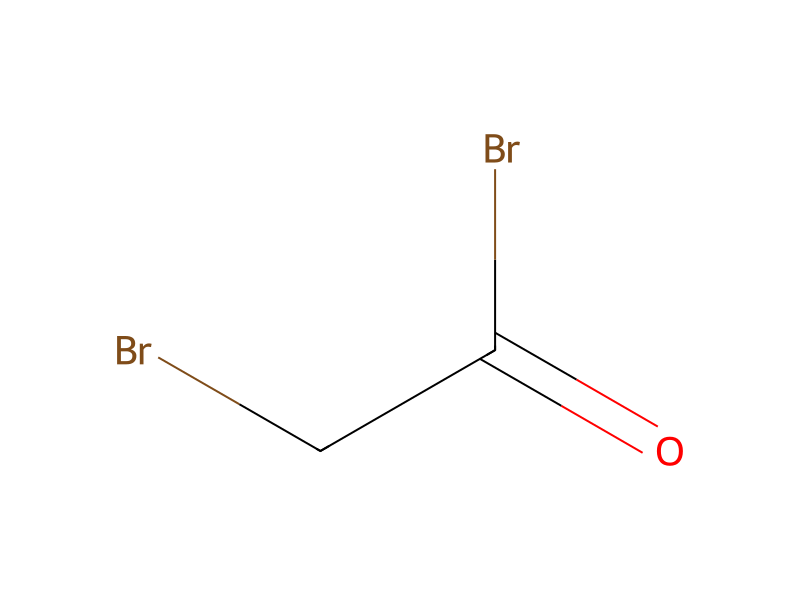
To an ice cooled mixture of 1.054 g (6 mmol) of N-cyclohexyl-N-cyclopropylamine hydrochloride, 2.07 g (15 mmol) of potassium carbonate in 15 ml of methylene chloride and 15 ml of water was added 1.2 g (6 mmol) of bromoacetyl bromide. Then the reaction mixture was stirred at RT for 20 h. The organic phase washed with water, dried over sodium sulphate and evaporated to dryness to give 1.33 g of crude compound. Flash chromatography using DCM as eluant afforded 1.12 g of the desiderated compound as colorless oil.
Workup
- washThe organic phase washed with water
- dry with materialdried over sodium sulphate
- customevaporated to dryness
- customto give 1.33 g of crude compound
Sources & evidence
- ORD record
- ord-a26b013059cb454c96d4969ff331d6ed
- Source dataset
- uspto-grants-2012_08
- Patent number
- US08242107B2
Reaction notes
Loading…