Potassium Carbonate → 4-(Benzyloxy)-1-(cyclopropylmethyl)pyridin-2(1H)-one
Reaction equation

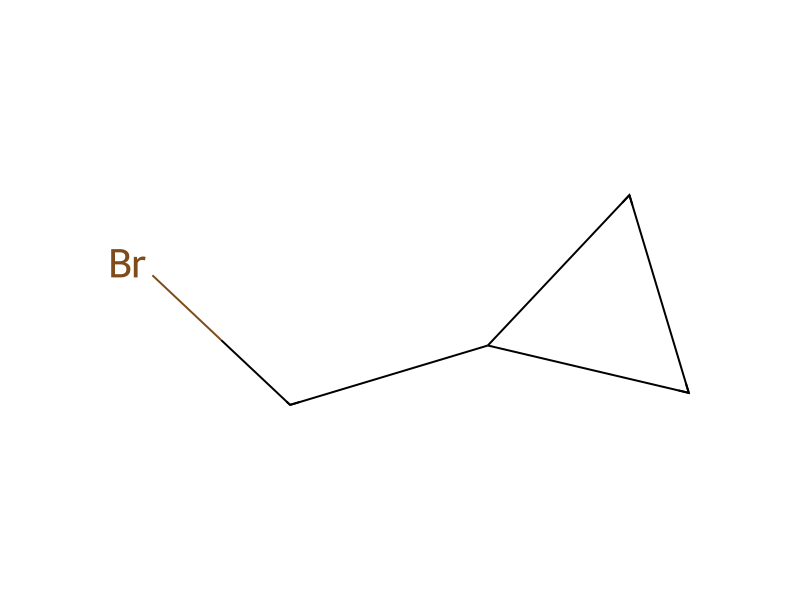
Br[CH2:2][CH:3]1[CH2:5][CH2:4]1.C(=O)([O-])[O-].[K+].[K+].[CH2:12]([O:19][C:20]1[CH:25]=[CH:24][NH:23][C:22](=[O:26])[CH:21]=1)[C:13]1[CH:18]=[CH:17][CH:16]=[CH:15][CH:14]=1>C(#N)C>[CH2:12]([O:19][C:20]1[CH:25]=[CH:24][N:23]([CH2:2][CH:3]2[CH2:5][CH2:4]2)[C:22](=[O:26])[CH:21]=1)[C:13]1[CH:14]=[CH:15][CH:16]=[CH:17][CH:18]=1Participants
5
Reactant 3


Product 1

Reagents, catalysts & solvents 1

Procedure
Bromomethyl-cyclopropane (3.68 g, 27.33 mmol) and potassium carbonate (10.3 g, 74.52 mmol) were added to a solution of 4-benzyloxy-1H-pyridin-2-one (5.0 g, 24.84 mmol) in acetonitrile (200 ml) and the mixture was heated at reflux temperature for 16 hours. The reaction mixture was filtered through diatomaceous earth and concentrated in vacuo. The crude residue was then triturated with diethylether to yield pure D1 (6.32 g, 98%) as a white solid.
Workup
- temperaturethe mixture was heated
- temperatureat reflux temperature for 16 hours
- filtrationThe reaction mixture was filtered through diatomaceous earth
- concentrationconcentrated in vacuo
- customThe crude residue was then triturated with diethylether
Sources & evidence
- ORD record
- ord-19a324d22a37443ab45af5199f2a4daa
- Source dataset
- uspto-grants-2012_08
- Patent number
- US08252937B2
Reaction notes
Loading…