Potassium Carbonate → Benzo(g)chrysene
Reaction equation

[CH:1]([C:3]1[CH:8]=[CH:7][CH:6]=[CH:5][C:4]=1[C:9]1[C:10]2[C:15]([C:16]3[CH:17]=[CH:18][CH:19]=[CH:20][C:21]=3[CH:22]=1)=CC=CC=2)=O.C(=O)([O-])[O-].[K+].[K+]>CS(O)(=O)=O.ClCCl>[CH:10]1[C:5]2[C:4]3[C:5]([C:4]4[C:19]([C:18]=2[CH:17]=[CH:16][CH:15]=1)=[CH:20][CH:21]=[CH:22][CH:9]=4)=[CH:6][CH:7]=[C:8]1[C:3]=3[CH:8]=[CH:7][CH:1]=[CH:3]1Participants
Reactant 2


Product 1

Reagents, catalysts & solvents 2

Procedure
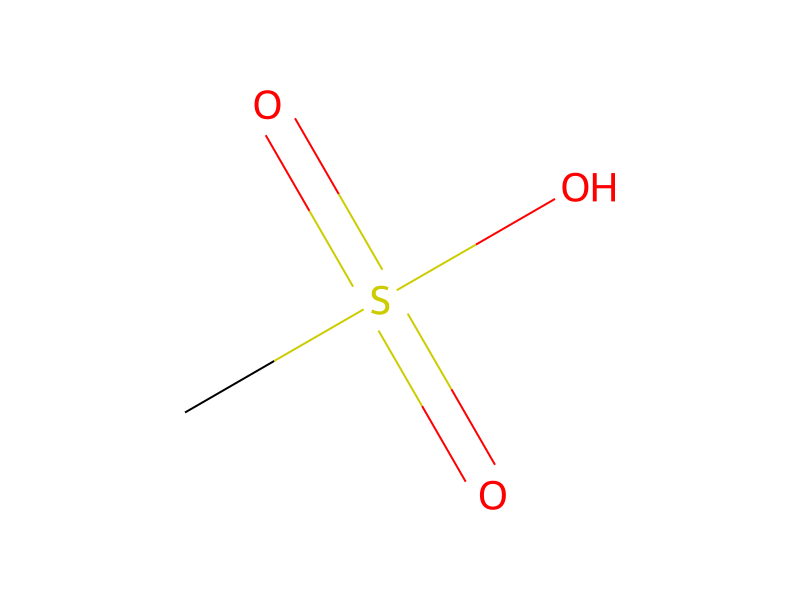
24.0 g of the resulting 9-(2-formylphenyl)phenanthrene and 100 mL of dichloromethane were placed in a flask. During stirring at room temperature, 6 drops of methanesulfonic acid were added to the flask by means of a Pasteur pipette. Stirring was conducted at room temperature for further 8 hours. After the completion of the reaction, 100 mL of a 10% aqueous solution of potassium carbonate was added. An aqueous phase was removed and an organic phase which had been separated was washed with water and saturated brine, and then dried with magnesium sulfate. After the magnesium sulfate was filtered out, the organic phase was concentrated. The resulting residue was purified by means of silica gel column chromatography, whereby 5.21 g (yield: 25%) of benzo[g]chrysene was obtained.
Workup
- stirringStirring
- additionwas added
- customAn aqueous phase was removed
- customan organic phase which had been separated
- washwas washed with water and saturated brine
- dry with materialdried with magnesium sulfate
- filtrationAfter the magnesium sulfate was filtered out
- concentrationthe organic phase was concentrated
- customThe resulting residue was purified by means of silica gel column chromatography
Sources & evidence
- ORD record
- ord-6a06face240c44228ec93ef47aa0c727
- Source dataset
- uspto-grants-2012_08
- Patent number
- US08253129B2
Reaction notes
Loading…