Piconol → 9-((5-Hydroxypentyl)aminomethyl)anthracene
Reaction equation

[CH:1]1[C:14]2[C:5](=[CH:6][C:7]3[C:12]([C:13]=2[CH2:15][NH:16]O)=[CH:11][CH:10]=[CH:9][CH:8]=3)[CH:4]=[CH:3][CH:2]=1.C(OC(OC(C)(C)C)=O)(OC(C)(C)C)=O.N1C=[CH:37][CH:36]=[CH:35][C:34]=1[CH2:39][OH:40]>CO>[CH:1]1[C:14]2[C:5](=[CH:6][C:7]3[C:12]([C:13]=2[CH2:15][NH:16][CH2:37][CH2:36][CH2:35][CH2:34][CH2:39][OH:40])=[CH:11][CH:10]=[CH:9][CH:8]=3)[CH:4]=[CH:3][CH:2]=1Participants
Reactant 3


Product 1

Reagents, catalysts & solvents 1

Procedure
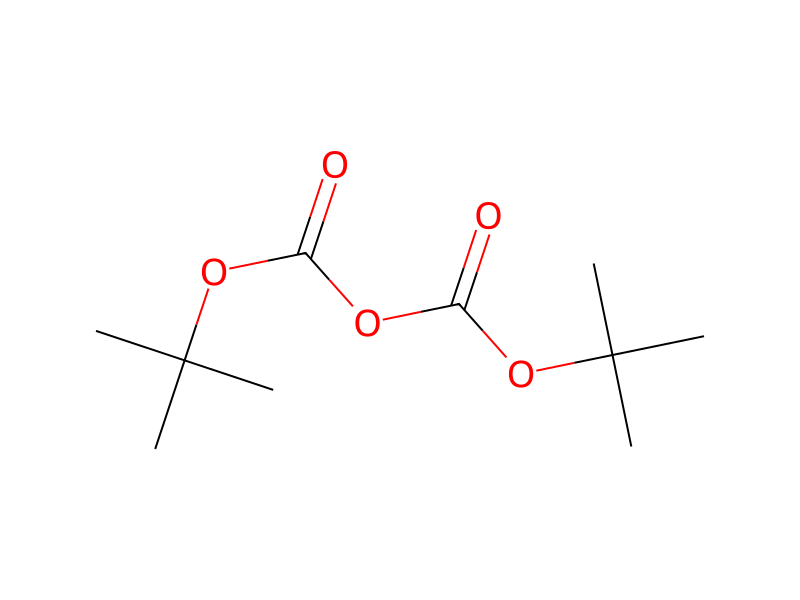
The General Procedure for the N-Boc protection of N-(Anthracen-9-ylmethyl)amino alcohols 4 to give 5. The solution of N-(anthracen-9-ylmethyl)-amino alcohol (5 mmol) in 20 mL of pyridine-methanol (1:5 v/v) was stirred at 0° C. for 10 min. A solution of di-tert-butyl dicarbonate (7.5 mmol) in methanol (5 mL) was added dropwise over ten minutes. The temperature was allowed to rise to room temperature and the reaction was stirred overnight. The mixture was evaporated to dryness under reduced pressure. The residue was dissolved in methylene chloride, and washed with deionized water several times. The organic layer was separated, dried over anhydrous Na2SO4, filtered, and concentrated under vacuum. The residue was purified by flash chromatography on silica gel.
Workup
- customto rise to room temperature
- customThe mixture was evaporated to dryness under reduced pressure
- dissolutionThe residue was dissolved in methylene chloride
- washwashed with deionized water several times
- customThe organic layer was separated
- dry with materialdried over anhydrous Na2SO4
- filtrationfiltered
- concentrationconcentrated under vacuum
- customThe residue was purified by flash chromatography on silica gel
Sources & evidence
- ORD record
- ord-2f5380f1109a467c8233de729787448b
- Source dataset
- uspto-grants-2006_02
- Patent number
- US07001925B1
Reaction notes
Loading…