Hydrochloric Acid → Ethyl alpha-oxobenzenebutanoate
Reaction equation

[CH2:1]([O:3][C:4](=[O:15])[CH:5]([OH:14])[CH2:6][CH2:7][C:8]1[CH:13]=[CH:12][CH:11]=[CH:10][CH:9]=1)[CH3:2].Cl[O-].[Na+].Cl.S([O-])([O-])(=O)=S.[Na+].[Na+]>C(Cl)Cl>[CH2:1]([O:3][C:4](=[O:15])[C:5](=[O:14])[CH2:6][CH2:7][C:8]1[CH:13]=[CH:12][CH:11]=[CH:10][CH:9]=1)[CH3:2]Participants

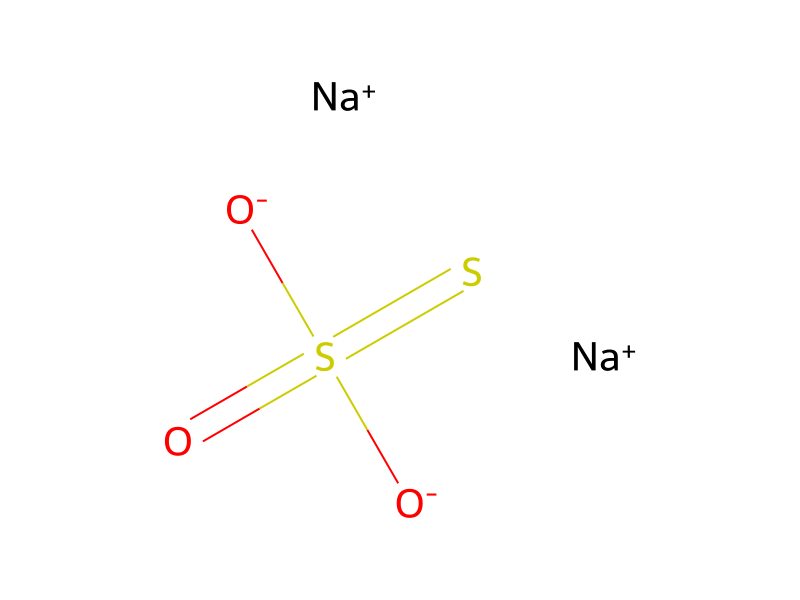

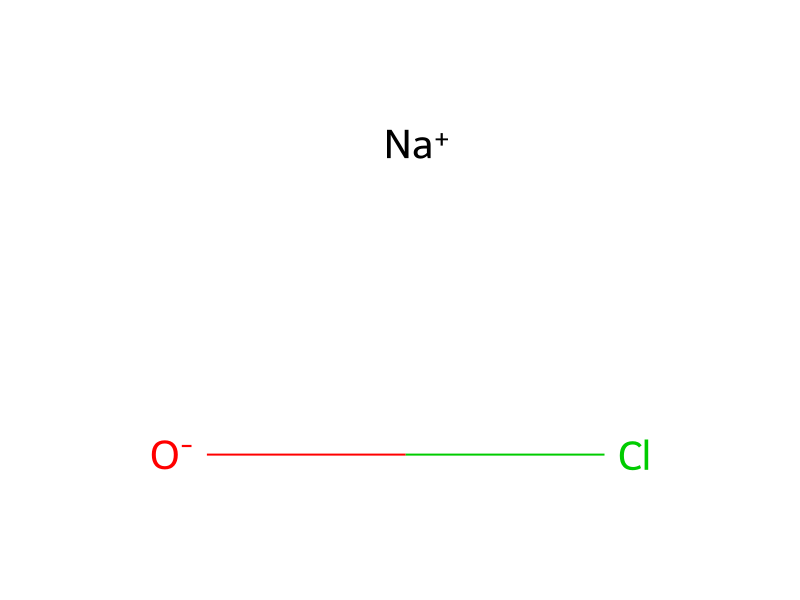


Conditions
- Temperature
- 6 °C
Procedure
A 200 ml flask was charged with a solution dissolving 20.8 g (100 mmol) of 2-hydroxy-4-phenylbutyric acid ethyl ester in methylene chloride (50 ml) and 72.6 g (purity 12.3%, 120 mmol) of sodium hypochlorite, and cooled at 6° C. To the reaction mixture was added 43 mg (0.2 mmol) of 4-acetoxy-2,2,6,6-tetramethylpiperidinyl-1-oxy and further added 10 ml (10 mmol) of 1N hydrochloric acid. The gradual exothermal reaction proceeded, and the starting material of 2-hydroxy-4-phenylbutyric acid ethyl ester was disappeared in 30 minutes. After the reaction was stopped by adding 10 ml of 5% sodium thiosulfate aqueous solution, the reaction mixture was subjected to the after treatment as described in Example 1 to obtain 18.55 g of 2-keto-4-phenylbutyric acid ethyl ester. The yield was 90%.
Workup
- additionA 200 ml flask was charged with a solution
- customThe gradual exothermal reaction
Sources & evidence
- ORD record
- ord-5e0497e6c1d645b8a4876ee548d6e17d
- Source dataset
- uspto-grants-1992_06
- Patent number
- US05118833
Reaction notes
Loading…