4-Chlorophenol → HCID 15310189, compound
Reaction equation

[Cl:1][C:2]1[CH:7]=[CH:6][C:5]([OH:8])=[CH:4][CH:3]=1.[H-].[Na+].Br[C:12]1[S:13][C:14]([C:17]([O:19][CH2:20][CH3:21])=[O:18])=[CH:15][N:16]=1>CS(C)=O.[Cl-].[Na+].O>[Cl:1][C:2]1[CH:7]=[CH:6][C:5]([O:8][C:12]2[S:13][C:14]([C:17]([O:19][CH2:20][CH3:21])=[O:18])=[CH:15][N:16]=2)=[CH:4][CH:3]=1Participants
6
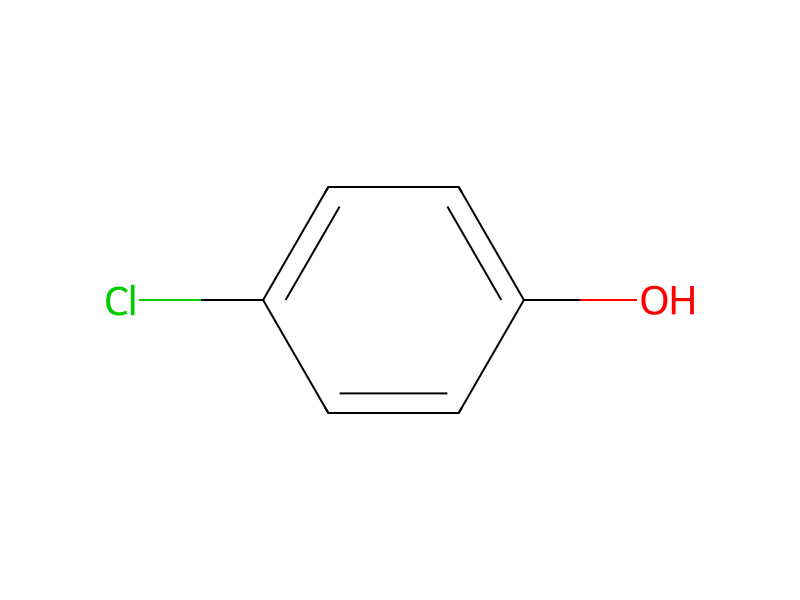





Conditions
- Temperature
- 150 °C
Procedure
To a solution of 4-chlorophenol (4.24 g, 33 mmol) in DMSO (100 mL) was added sodium hydride (857 mg of a 97% dry sample, 34.65 mmol) and the mixture was stirred for 20 mins. Ethyl 2-bromo-5-thiazolecarboxylate (7.79 g, 33 mmol) was then added as a solution in DMSO (10 mL) and the reaction was heated at 150° C. for 18 hrs. It was then cooled to r.t., diluted with brine (150 mL) and extracted with ethylacetate (3×150 mL). The organics were combined, dried with MgSO4 and concentrated to afford ethyl 2-(4-chlorophenoxy)-5-thiazolecarboxylate which was used as is.
Workup
- customdry sample, 34.65 mmol) and the mixture
- temperatureIt was then cooled to r.t.
- extractionextracted with ethylacetate (3×150 mL)
- dry with materialdried with MgSO4
- concentrationconcentrated
Sources & evidence
- ORD record
- ord-3afe546b2d4245919c2611b574ee18df
- Source dataset
- uspto-grants-1992_06
- Patent number
- US05120752
Reaction notes
Loading…