Ethyl Acetate → HCID 86745939, compound
Reaction equation

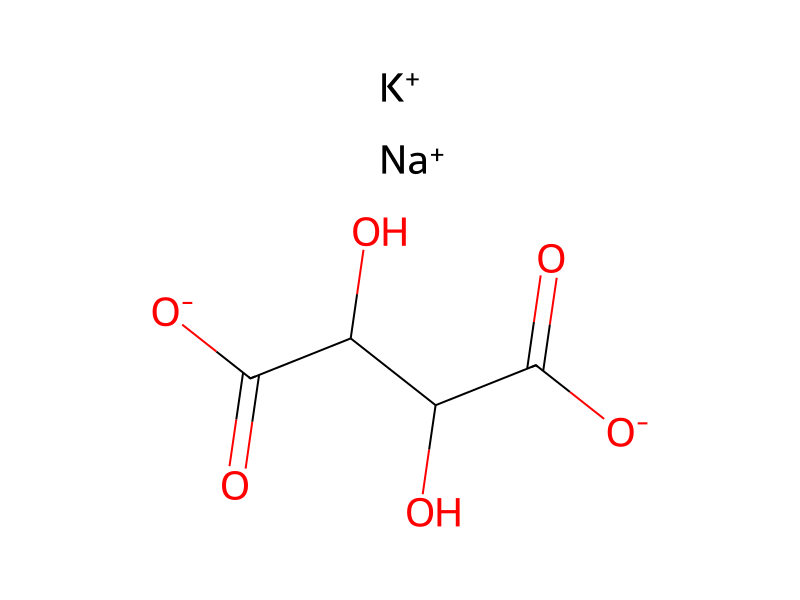
CON(C)[C:4]([C:6]1[NH:7][C:8]2[C:13]([C:14]=1[C:15]1[CH:20]=[CH:19][CH:18]=[CH:17][CH:16]=1)=[CH:12][CH:11]=[CH:10][CH:9]=2)=[S:5].[H-].[Al+3].[Li+].[H-].[H-].[H-].C(OCC)(=O)C.C(C(C(C([O-])=O)O)O)([O-])=O.[K+].[Na+]>O1CCCC1>[C:15]1([C:14]2[C:13]3[C:8](=[CH:9][CH:10]=[CH:11][CH:12]=3)[NH:7][C:6]=2[CH:4]=[S:5])[CH:16]=[CH:17][CH:18]=[CH:19][CH:20]=1Participants
6
Reactant 4



Product 1

Reagents, catalysts & solvents 1

Conditions
- Temperature
- 0 °C
Procedure
N-Methoxy-N-methyl-3-phenylthioindole-2-carboxamide (1.57 g, 5.26 mmol) was dissolved in tetrahydrofuran (150 mL) and cooled to 0° C. under nitrogen. A solution of lithium aluminum hydride in tetrahydrofuran (5.76 mL, 1M) was added slowly via syringe and the reaction stirred a total of 1.5 hours. Ethyl acetate (30 mL) was added, followed by saturated sodium potassium tartrate solution. The layers were separated and the organic phase washed with saturated brine and dried over magnesium sulfate. Filtration and evaporation of solvent gave the title compound as a yellow solid.
Workup
- customThe layers were separated
- washthe organic phase washed with saturated brine
- dry with materialdried over magnesium sulfate
- filtrationFiltration and evaporation of solvent
Sources & evidence
- ORD record
- ord-4660b8f2e180411894137212a36ed011
- Source dataset
- uspto-grants-1992_06
- Patent number
- US05124327
Reaction notes
Loading…