4-Chlorophenol → 1-(4-Chlorophenoxy)-3-methyl-4-isoquinoline Acetic Acid
Reaction equation

Cl[C:2]1[C:11]2[C:6](=[CH:7][CH:8]=[CH:9][CH:10]=2)[C:5]([CH2:12][C:13]([OH:15])=[O:14])=[C:4]([CH3:16])[N:3]=1.[Cl:17][C:18]1[CH:23]=[CH:22][C:21]([OH:24])=[CH:20][CH:19]=1.CC(C)([O-])C.[K+]>C(OCC)(=O)C.O>[Cl:17][C:18]1[CH:23]=[CH:22][C:21]([O:24][C:2]2[C:11]3[C:6](=[CH:7][CH:8]=[CH:9][CH:10]=3)[C:5]([CH2:12][C:13]([OH:15])=[O:14])=[C:4]([CH3:16])[N:3]=2)=[CH:20][CH:19]=1Participants
6





Procedure
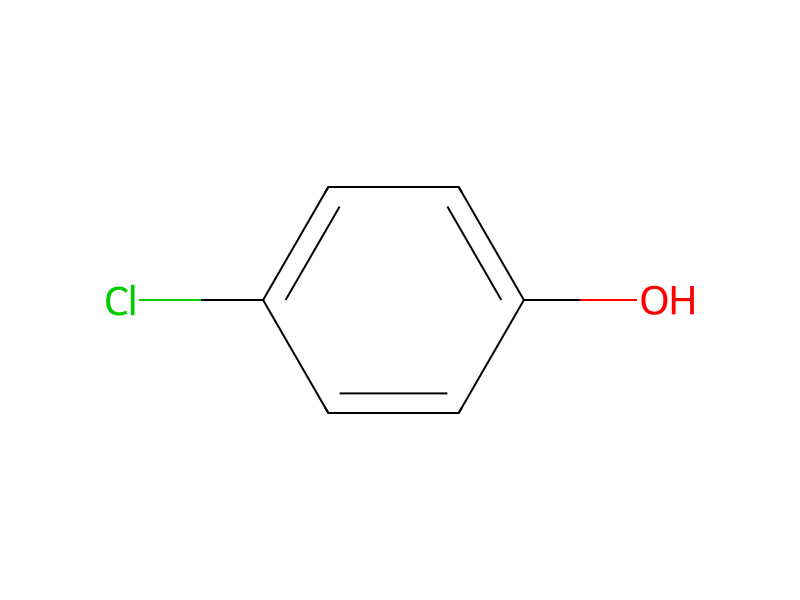
A mixture of 1-chloro-3-methyl-4-isoquinoline acetic acid (237 mg., 1.01 mmol) prepared as in Example 8, 4-chlorophenol (260 mg., 2.02 mmol), and potassium tert-butoxide (226 mg., 2.02 mmol) were heated at 100° for 3 hr. After cooling the mixture was diluted with ethyl acetate and water and acidified to pH 1-2. The separated aqueous phase was extracted with 20 ml. ethyl acetate. The combined organic phases were washed with brine, dried over magnesium sulfate, filtered, and vacuum evaporated to a brown oil. Chromatography of this on silica gel eluted with ethyl acetate gave a pale yellow solid; 80 mg., 24%, mp 192°-195° d.
Workup
- temperaturewere heated at 100° for 3 hr
- temperatureAfter cooling the mixture
- extractionThe separated aqueous phase was extracted with 20 ml
- washThe combined organic phases were washed with brine
- dry with materialdried over magnesium sulfate
- filtrationfiltered
- customvacuum evaporated to a brown oil
- washChromatography of this on silica gel eluted with ethyl acetate
- customgave a pale yellow solid
Sources & evidence
- ORD record
- ord-b080197fdc264089ad06ff7f1185fe00
- Source dataset
- uspto-grants-1981_08
- Patent number
- US04283539
Reaction notes
Loading…