Hydrochloric Acid → HCID 20512452, compound
Reaction equation

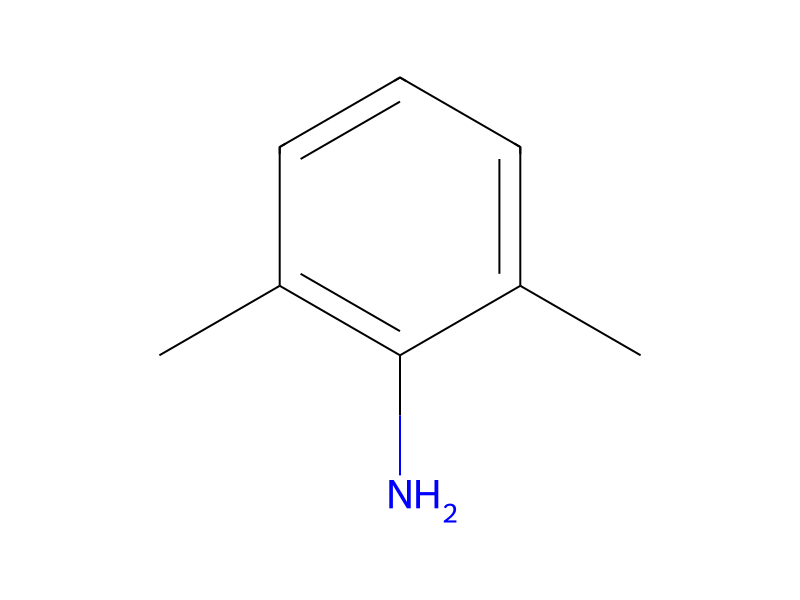
[Cl:1][C:2]1[CH:7]=[CH:6][C:5]([NH:8][CH2:9][CH:10]([NH:12][C:13]2[C:18]([CH3:19])=[CH:17][CH:16]=[CH:15][C:14]=2[CH3:20])[CH3:11])=[CH:4][CH:3]=1.ClC(C)[CH2:23][NH:24]C1C=CC(Cl)=CC=1.CC1C=CC=C(C)C=1N.Cl>>[Cl:1][C:2]1[CH:7]=[CH:6][C:5]([N:8]2[CH2:9][CH:10]([CH3:11])[N:12]([C:13]3[C:18]([CH3:19])=[CH:17][CH:16]=[CH:15][C:14]=3[CH3:20])[C:23]2=[NH:24])=[CH:4][CH:3]=1Participants
5



Procedure
1-(4'-Chlorophenyl-amino)-2-(2',6'-dimethylphenylamino)-propane, applied as starting substance, is obtained with a yield of 50.9% by reacting N-(β-chloropropyl)-4-chloro-aniline, a compound prepared as described in Example 27, point (b), with 2,6-dimethylaniline according to the method given in Example 25, point (a). The hydrochloride of the product melts at 170°-178° C.
Workup
- customis obtained with a yield of 50.9%
- customa compound prepared
Sources & evidence
- ORD record
- ord-1eb21e8289b747389416286cf9c13e47
- Source dataset
- uspto-grants-1981_08
- Patent number
- US04284642
Reaction notes
Loading…