Ammonium Hydroxide → HCID 86737973, compound
Reaction equation

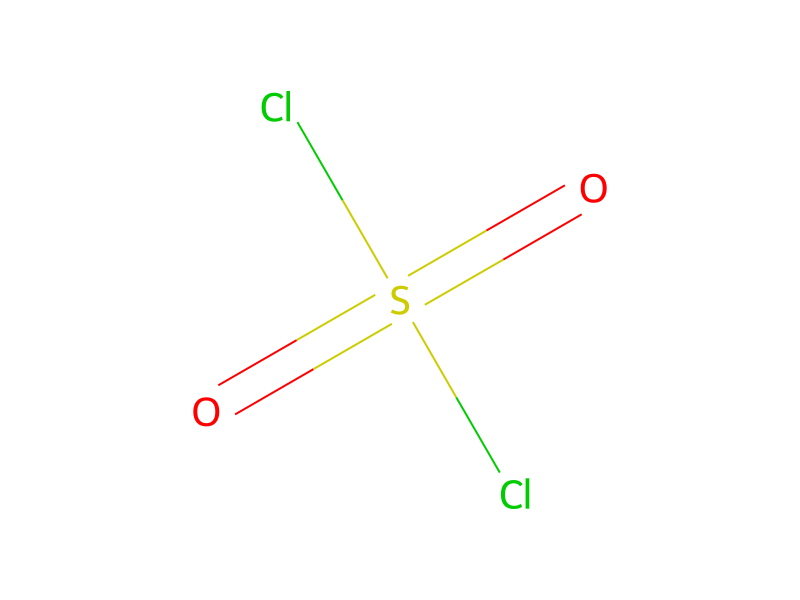
[F:1][C:2]([F:7])([F:6])[C:3]([NH2:5])=[O:4].[CH3:8][C:9]1[C:19]2[CH2:18][CH2:17][NH:16][CH2:15][CH:14]([C:20]3[CH:25]=[CH:24][C:23]([S:26](O)(=[O:28])=[O:27])=[CH:22][CH:21]=3)[C:13]=2[CH:12]=[C:11]2[O:30][CH2:31][O:32][C:10]=12.S(Cl)(Cl)(=O)=O.S(Cl)(Cl)=O.C[N:43](C)C=O.[OH-].[NH4+]>>[F:1][C:2]([F:7])([F:6])[C:3]([NH2:5])=[O:4].[CH3:8][C:9]1[C:19]2[CH2:18][CH2:17][NH:16][CH2:15][CH:14]([C:20]3[CH:25]=[CH:24][C:23]([S:26](=[O:28])(=[O:27])[NH2:43])=[CH:22][CH:21]=3)[C:13]=2[CH:12]=[C:11]2[O:30][CH2:31][O:32][C:10]=12Participants
5



Procedure
The sulfonic acid (750 mg) is converted to the sulfonyl chloride using thionyl chloride/dimethylformamide then reacted without purification with an excess of ammonium hydroxide to give 6-methyl-7,8-methylenedioxy-1-(p-sulfamylphenyl)-2,3,4,5-tetrahydro-1H-3-benzazepine trifluoroacetamide. Alkaline hydrolysis of the acetamide (500 mg) and boron tribromide treatment of the residue in the cold gives the desired 6-methyl-7,8-dihydroxy-1-(p-sulfamylphenyl)-2,3,4,5-tetrahydro-1H-3-benzazepine hydrochloride.
Sources & evidence
- ORD record
- ord-6afe0b7691a84e5d981eb05041d60dad
- Source dataset
- uspto-grants-1981_08
- Patent number
- US04285938
Reaction notes
Loading…