Ammonium formate → 2-(4-Diethylcarbamoylbenzyl)anisole
Reaction equation

C(O[CH:5]([C:14]1[CH:19]=[CH:18][C:17]([C:20](=[O:26])[N:21]([CH2:24][CH3:25])[CH2:22][CH3:23])=[CH:16][CH:15]=1)[C:6]1[CH:11]=[CH:10][CH:9]=[CH:8][C:7]=1[O:12][CH3:13])(=O)C.C([O-])=O.[NH4+]>CO.[Pd]>[CH2:24]([N:21]([CH2:22][CH3:23])[C:20]([C:17]1[CH:18]=[CH:19][C:14]([CH2:5][C:6]2[CH:11]=[CH:10][CH:9]=[CH:8][C:7]=2[O:12][CH3:13])=[CH:15][CH:16]=1)=[O:26])[CH3:25]Participants
5
Reactant 2

Product 1

Reagents, catalysts & solvents 2


Conditions
- Temperature
- 60 °C
Procedure
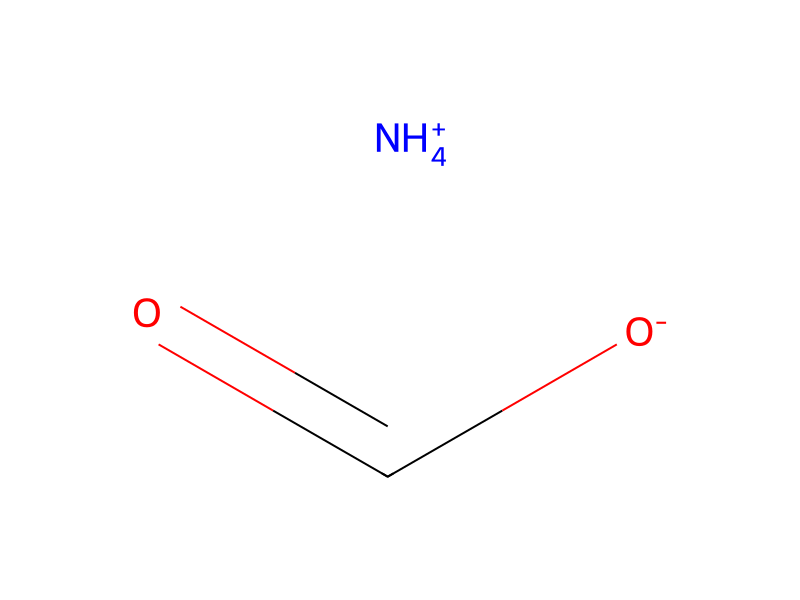
The obtained 1-(4-diethylcarbamoylphenyl)-1-(2-methoxyphenyl)methyl acetate was dissolved in methanol (280 ml), added with 10% palladium/carbon (7 g) and ammonium formate (28.44 g) under argon atmosphere and stirred at 60° C. for 2 hours. After insoluble matters were removed by filtration, the solvent was evaporated under reduced pressure to obtain 2-(4-diethylcarbamoylbenzyl)anisole.
Workup
- customAfter insoluble matters were removed by filtration
- customthe solvent was evaporated under reduced pressure
Sources & evidence
- ORD record
- ord-ecde1a821f8141839824f1327d1885dc
- Source dataset
- uspto-grants-2005_07
- Patent number
- US06916822B2
Reaction notes
Loading…