Isopropylamine → HCID 11143193, compound
Reaction equation

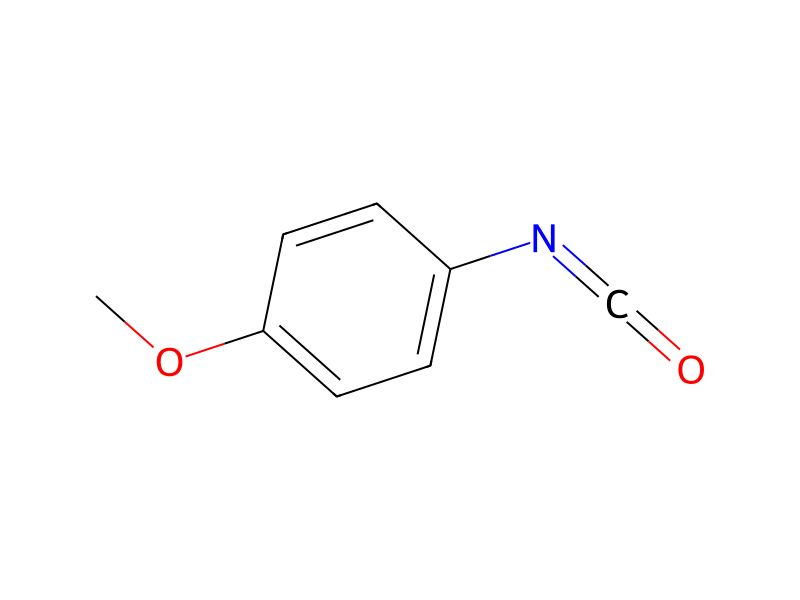
[CH3:1][O:2][C:3]1[CH:8]=[CH:7][C:6]([N:9]=[C:10]=[O:11])=[CH:5][CH:4]=1.[NH2:12][C:13]1[CH:14]=[C:15]([B:22]([OH:24])[OH:23])[CH:16]=[C:17]([C:19]([OH:21])=O)[CH:18]=1.[CH:25]([NH2:28])([CH3:27])[CH3:26].CCN(C(C)C)C(C)C>CCOC(C)=O>[CH:25]([NH:28][C:19]([C:17]1[CH:18]=[C:13]([NH:12][C:10]([NH:9][C:6]2[CH:5]=[CH:4][C:3]([O:2][CH3:1])=[CH:8][CH:7]=2)=[O:11])[CH:14]=[C:15]([B:22]([OH:24])[OH:23])[CH:16]=1)=[O:21])([CH3:27])[CH3:26]Participants





Procedure
The general procedure for the formation of ureas using 4-methoxyphenyl isocyanate (vide supra) was carried out on resin 33 followed directly by the general procedure for the formation of amides using iso-propyl amine, PyBoP and DIPEA (vide supra) to yield a yellow solid (77% yield by mass; 65% yield by 1H NMR with EtOAc int. std.): 1H NMR (300 MHz, 5% D2O in CD3OD, the sample was made up >16 h prior to running in order to obtain full exchange of the secondary amide proton with deuterated solvents) δ 7.89 (br s, 1H), 7.80 (br s, 2H), 7.31 (d, J=9 Hz, 2H), 6.88 (d, J=9 Hz, 2H) 4.17 (h, J=7 Hz, 1H), 3.76 (s, 3H), 1.24 (d, J=7 Hz, 6H); 13C NMR (75 MHz, 5% D2O in CD3OD) δ 170.1, 157.3, 156.0, 140.0, 136.2, 133.0, 128.9, 128.0, 123.0, 121.2, 115.2, 56.1, 43.2, 22.6; IR (microscope) 3399, 3310, 2970, 1664, 1626, 1599, 1547, 1514 cm−1; HRMS (ES, m/z) calcd for C18H22BN3O5Na (M+Na)+ 394.1550. found 394.1549.
Sources & evidence
- ORD record
- ord-c4f70b148d8a4c64b549adf717c4643c
- Source dataset
- uspto-grants-2005_07
- Patent number
- US06919382B2
Reaction notes
Loading…