1-Octene → 1-Octene
Reaction equation

[CH2:1]=[CH:2][CH2:3][CH2:4][CH2:5][CH2:6][CH2:7][CH3:8].[CH-]=O.[Rh:11].[PH3:12]>C1(C)C=CC=CC=1>[CH2:1]=[CH:2][CH2:3][CH2:4][CH2:5][CH2:6][CH2:7][CH3:8].[Rh:11].[PH3:12].[PH3:12].[Rh:11]Participants
Reactant 3
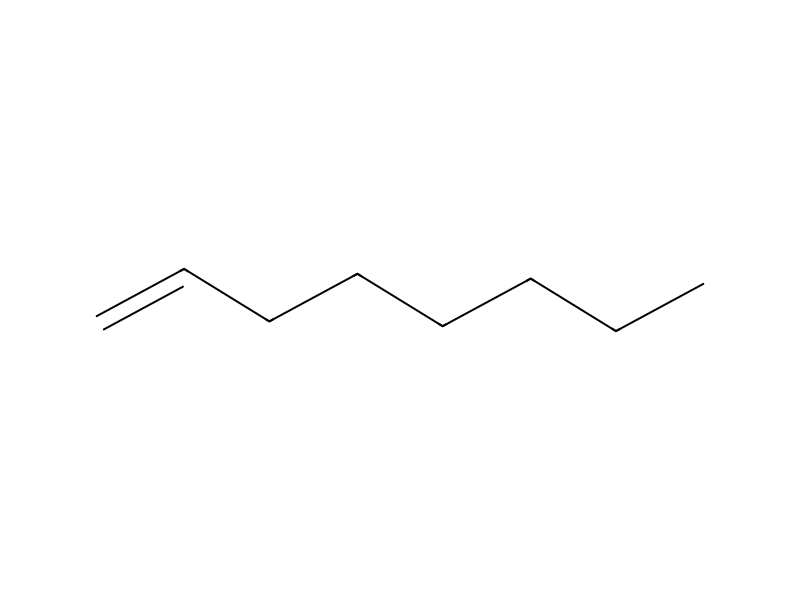


Product 4
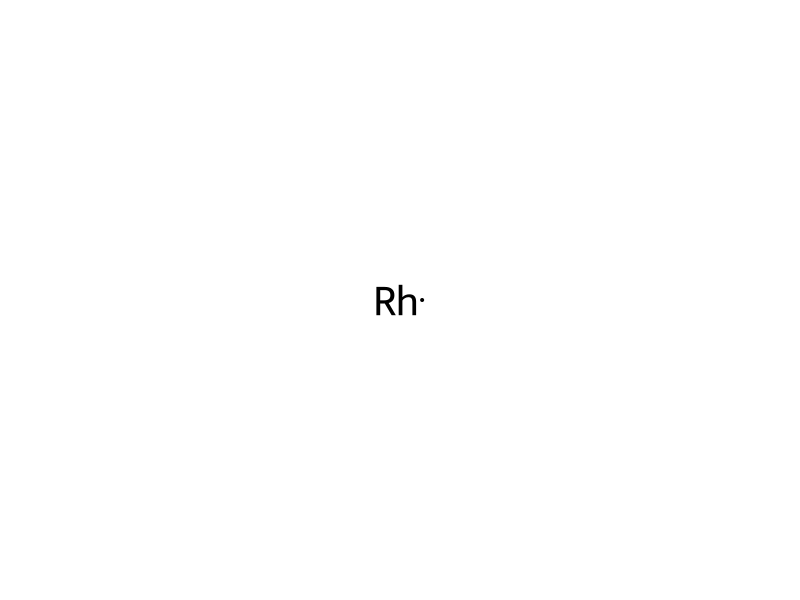

Reagents, catalysts & solvents 1

Procedure
The hydroformylation of 1-octene was carried out in the following manner. Approximately 0.019 grams of Rh6 (CO)16 was charged to a 200 ml stainless steel, glass lined pressure vessel equipped with a magnetic stirrer. After introduction of the rhodium carbonyl compound, the phosphine ligand, 12 grams of 1-octene and 21 grams of toluene were added to the pressure vessel. After stirring for about 10 minutes, the contents were preheated to a temperature of about 80° C. or within about 10° of the reaction temperature. The reactor then was sealed and flushed with 200 psi charges of a synthesis gas mixture of hydrogen and carbon monoxide and containing 50% hydrogen by volume. The vessel then was pressured to 750 psi with the synthesis gas. Continuous agitation was maintained and the reaction was observed by recording pressure drop as a function of time. The reaction was terminated at 300 psi after which the contents were analyzed for product conversion. Tables I-III show the results of various hydroformylation runs of 1-octene using various phosphine ligands, rhodium and phosphine concentrations, various phosphine-rhodium molar ratios. In the tables immediately following, L/Rh refers to the molar ratio of ligand to rhodium metal, n/i refers to the molar ratio of normal to iso isomer in percent, conversion refers to the percent of olefin converted to saturated aldehyde including both normal and iso isomer.
Workup
- customequipped with a magnetic stirrer
- customwere preheated to a temperature of about 80° C. or within about 10° of the reaction temperature
- customThe reactor then was sealed
- customflushed with 200 psi charges of a synthesis gas mixture of hydrogen and carbon monoxide
- additioncontaining 50% hydrogen by volume
- customThe vessel then was pressured to 750 psi with the synthesis gas
- temperatureContinuous agitation was maintained
- customThe reaction was terminated at 300 psi after which the contents
Sources & evidence
- ORD record
- ord-a2c8fe87791545a9a8b2e4a38c43c800
- Source dataset
- uspto-grants-1980_10
- Patent number
- US04230641
Reaction notes
Loading…