Potassium Carbonate → 1-[2-(Pyridin-4-yloxymethyl)phenyl]piperazine
Reaction equation

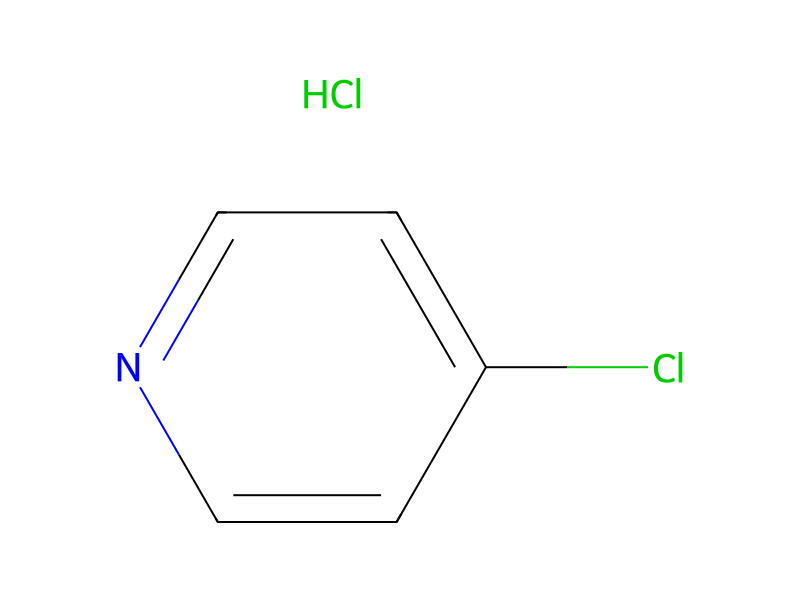
[N:1]1([C:7]2[CH:12]=[CH:11][CH:10]=[CH:9][C:8]=2[CH2:13][OH:14])[CH2:6][CH2:5][NH:4][CH2:3][CH2:2]1.Cl.Cl[C:17]1[CH:22]=[CH:21][N:20]=[CH:19][CH:18]=1.[OH-].[K+].C(=O)([O-])[O-].[K+].[K+]>C1(C)C=CC=CC=1>[N:20]1[CH:21]=[CH:22][C:17]([O:14][CH2:13][C:8]2[CH:9]=[CH:10][CH:11]=[CH:12][C:7]=2[N:1]2[CH2:6][CH2:5][NH:4][CH2:3][CH2:2]2)=[CH:18][CH:19]=1Participants
6





Conditions
- Temperature
- 120 °C
Procedure
(2-piperazin-1-yl-phenyl)-methanol (200 mg, 1.04 mmol) was added to a suspension of 4-chloropyridine hydrochloride (225 mg, 1.50 mmol), tris[2-(2-methoxy)ethyl]amine (32 μL, 0.10 mmol), powdered potassium hydroxide (225 mg, 4.01 mmol) and potassium carbonate (275 mg, 1.99 mmol) in 10 mL of toluene. The reaction mixture was heated to 120° C. overnight. The reaction mixture was concentrated and the residue was purified by reverse phase HPLC. The material was still less than 50% pure, but was used in the next step without further purification.
Workup
- concentrationThe reaction mixture was concentrated
- customthe residue was purified by reverse phase HPLC
- customwas used in the next step without further purification
Sources & evidence
- ORD record
- ord-63efc5a767ff47479a445c16e8636545
- Source dataset
- uspto-grants-2011_09
- Patent number
- US08013156B2
Reaction notes
Loading…