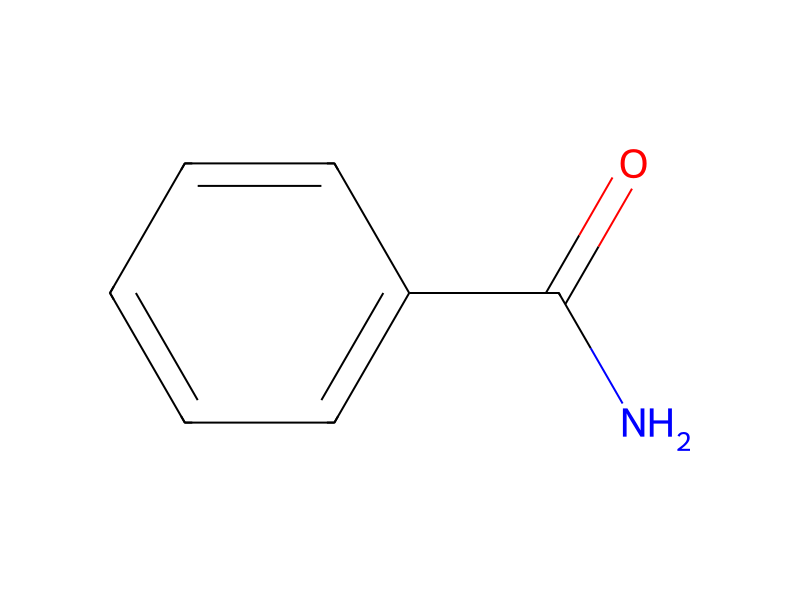
Benzamide → HCID 66883731, compound
Reaction equation

C(NC(C)C)(C)C.C([Li])CCC.[Li+].CC([N-]C(C)C)C.[CH2:21]([N:23]([CH2:34][CH3:35])[C:24](=[O:33])[C:25]1[CH:30]=[C:29]([F:31])[CH:28]=[CH:27][C:26]=1[CH3:32])[CH3:22].[CH2:36]([O:43][C:44]1[CH:55]=[CH:54][C:47]([C:48](N(OC)C)=[O:49])=[CH:46][CH:45]=1)[C:37]1[CH:42]=[CH:41][CH:40]=[CH:39][CH:38]=1.C(N)(=O)C1C=CC=CC=1>C1COCC1.CCCCCC.CCOCC>[CH2:36]([O:43][C:44]1[CH:45]=[CH:46][C:47]([C:48](=[O:49])[CH2:32][C:26]2[CH:27]=[CH:28][C:29]([F:31])=[CH:30][C:25]=2[C:24]([N:23]([CH2:21][CH3:22])[CH2:34][CH3:35])=[O:33])=[CH:54][CH:55]=1)[C:37]1[CH:38]=[CH:39][CH:40]=[CH:41][CH:42]=1Participants
Reactant 6




Product 1

Reagents, catalysts & solvents 3



Conditions
- Temperature
- -10 °C
Procedure
To a solution of diisopropylamine (3.8 mL, 27 mmol) in THF (85 mL) in a −10° C. bath was added a solution of butyllithium (17.0 mL of a 1.4 M solution in hexane, 23.8 mmol). After stirring at −10° C. for 10 minutes, the cooling bath was further cooled to −78° C. The resulting solution of LDA was then treated with a mixture of N,N-diethyl-5-fluoro-2-methyl-benzamide (3.48 g, 16.6 mmol) and 4-benzyloxy-N-methoxy-N-methylbenzamide (4.51 g, 16.6 mmol) as a solution in THF (25 mL) by cannula addition over ˜8 minutes. The flask and cannula containing the benzamide mixture solution was then rinsed with additional THF (10 mL) which was added to the reaction to insure complete transfer. TLC analysis of the deep purple reaction solution after stirring for 15 minutes at −78° C. showed one main product spot. After stirring for 30 minutes at −78° C. the reaction was quenched by the addition of saturated aqueous NH4Cl (50 mL). The cooling bath was removed and the suspension was allowed to slowly warm to ambient temperature. After warming to ambient temperature, H2O was added to dissolve the solids that had formed, the reaction was diluted with Et2O (400 mL), and transferred to a separatory funnel. The resulting layers were separated, and the aqueous layer was extracted with Et2O (3×75 mL). The organic layers were combined, washed with saturated aqueous sodium chloride (100 mL), dried over Na2SO4, filtered and concentrated under reduced pressure to afford a pale yellow oil. The crude oil was purified by silica gel column chromatography eluting with a gradient from 0% to 30% EtOAc/hexane. Product-containing fractions from the column were combined and concentrated to afford 2-[2-(4-benzyloxyphenyl)-2-oxo-ethyl]-N,N-diethyl-5-fluoro-benzamide (4.74 g, 68% yield) as a pale yellow oil. 1H NMR analysis showed some impurities present.
Workup
- temperaturethe cooling bath was further cooled to −78° C
- washwas then rinsed with additional THF (10 mL) which
- additionwas added to the reaction
- stirringTLC analysis of the deep purple reaction solution after stirring for 15 minutes at −78° C.
- stirringAfter stirring for 30 minutes at −78° C. the reaction
- customwas quenched by the addition of saturated aqueous NH4Cl (50 mL)
- customThe cooling bath was removed
- temperatureto slowly warm to ambient temperature
- temperatureAfter warming to ambient temperature
- additionH2O was added
- dissolutionto dissolve the solids that
- customhad formed
- customtransferred to a separatory funnel
- customThe resulting layers were separated
- extractionthe aqueous layer was extracted with Et2O (3×75 mL)
- washwashed with saturated aqueous sodium chloride (100 mL)
- dry with materialdried over Na2SO4
- filtrationfiltered
- concentrationconcentrated under reduced pressure
- customto afford a pale yellow oil
- customThe crude oil was purified by silica gel column chromatography
- washeluting with a gradient from 0% to 30% EtOAc/hexane
- concentrationconcentrated
Sources & evidence
- ORD record
- ord-71d2310fa2bc41bebf34852098362161
- Source dataset
- uspto-grants-2007_09
- Patent number
- US07265131B2
Reaction notes
Loading…