Hydrochloric Acid → benzo[b]thiophen-2-yl-benzaldehyde
Reaction equation

[O:1]1CCO[CH:2]1[C:6]1[CH:11]=[CH:10][CH:9]=[CH:8][C:7]=1[C:12]1[S:16][C:15]2[CH:17]=[CH:18][CH:19]=[CH:20][C:14]=2[CH:13]=1.Cl.Cl.O.O1CCCC1>CO>[S:16]1[C:12]([C:7]2[CH:8]=[CH:9][CH:10]=[CH:11][C:6]=2[CH:2]=[O:1])=[CH:13][C:14]2[CH:20]=[CH:19][CH:18]=[CH:17][C:15]1=2Participants
6
Reactant 4


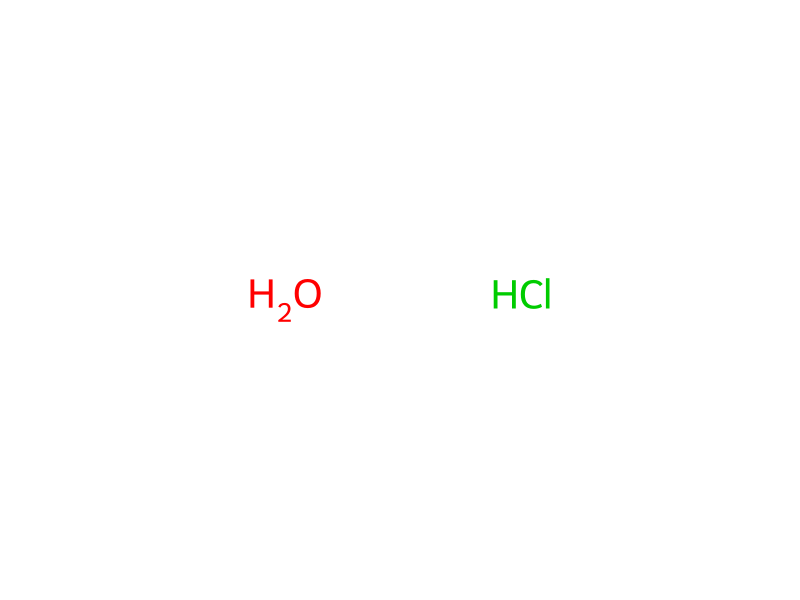

Product 1

Reagents, catalysts & solvents 1

Procedure
For example, the 2-(2-[1,3]dioxolan-2-yl-phenyl) benzo[b]thiophene (3) product is treated with a suitable acid, such as a hydrochloric acid, preferably an aqueous acid, such as a hydrochloric acid/water mixture. The reaction is carried out in a suitable organic solvent such as tetrahydrofuran or methanol. The reaction is heated to reflux for a period of time ranging from about 20 minutes to about 6 hours. The reaction is then quenched with a weak base such as, for example, sodium bicarbonate. The solvent is removed and the resulting mixture may be extracted, concentrated and purified according to techniques well known in the art, to provide benzo[b]thiophen-2-yl-benzaldehyde (4).
Workup
- temperatureThe reaction is heated
- temperatureto reflux for a period of time
- waitranging from about 20 minutes to about 6 hours
- customThe reaction is then quenched with a weak base such as, for example, sodium bicarbonate
- customThe solvent is removed
- extractionthe resulting mixture may be extracted
- concentrationconcentrated
- custompurified
Sources & evidence
- ORD record
- ord-f5f906bc28f54bb2a608c87c581195b8
- Source dataset
- uspto-grants-2007_09
- Patent number
- US07271264B2
Reaction notes
Loading…