Sodium Chloride → (+-)-2-Hydroxyisocaproic acid
Reaction equation

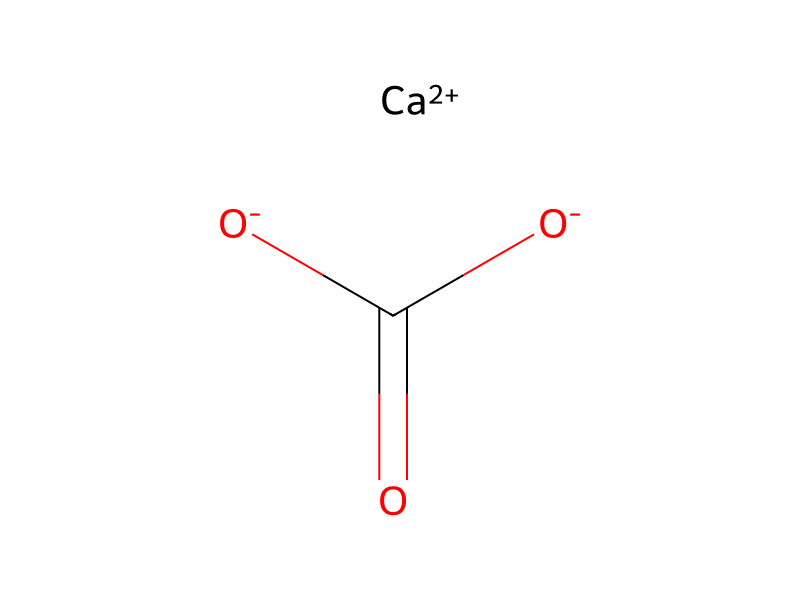
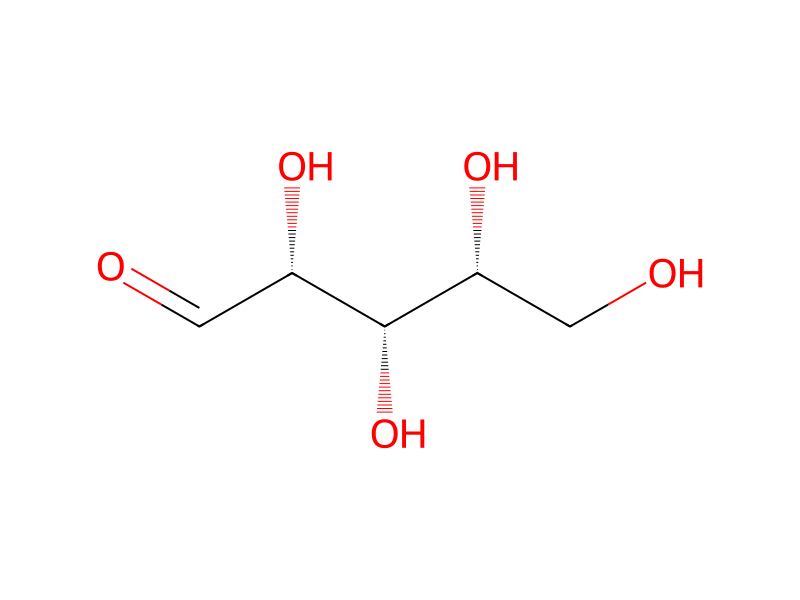
O=[CH:2][C@@H:3]([C@H:5]([C@@H](CO)O)O)O.[O:11]=C[C@@H]([C@H]([C@@H]([C@@H](CO)O)O)O)O.[Na+].[Cl-].Cl.N[C@H:27]([C:30]([OH:32])=[O:31])[CH2:28]S.C(=O)([O-])[O-].[Ca+2]>>[OH:11][CH:27]([CH2:28][CH:3]([CH3:5])[CH3:2])[C:30]([OH:32])=[O:31]Participants




Conditions
- Temperature
- 30 °C
Procedure
22 parts by weight and 170 parts by weight of these xylose and glucose, respectively, were mixed with 10,000 parts by weight of a culture medium (10 g/l of peptone, 5 g/l of yeast extract, 2 g/l of meat extract, 5 g/l of NaCl, 2 g/l of cysteine hydrochloride and 5 g/l of calcium carbonate), and the mixture formed was injected into a pressure bottle. After the gaseous-phase portion in the bottle was displaced with nitrogen gas, the bottle was hermetically closed with a butyl rubber stopper, which was then treated in an autoclave (121° C., 98 kPa pressure, 10 minutes). Thereafter, the culture medium treated was cooled to 30° C., and 100 parts by weight of a pre-culture fluid of 2-hydroxyisocaproic acid productive strain HICA432 isolated in the manner as described previously was added thereto by means of a syringe when the bottle was kept hermetically stoppered, followed by a static culture at 30° C. for 6 days. Thereafter, the culture fluid was filtered, and the water and volatile components of the filtrate obtained were evaporated off under normal-temperature reduced pressure, followed by purification to obtain 8 parts by weight of 2-hydroxyisocaproic.
Workup
- customthe mixture formed
- additionwas then treated in an autoclave (121° C., 98 kPa pressure, 10 minutes)
- additionThereafter, the culture medium treated
Sources & evidence
- ORD record
- ord-7501be19e2e4448e9c9014ac7fd13659
- Source dataset
- uspto-grants-2007_09
- Patent number
- US07273734B2
Reaction notes
Loading…